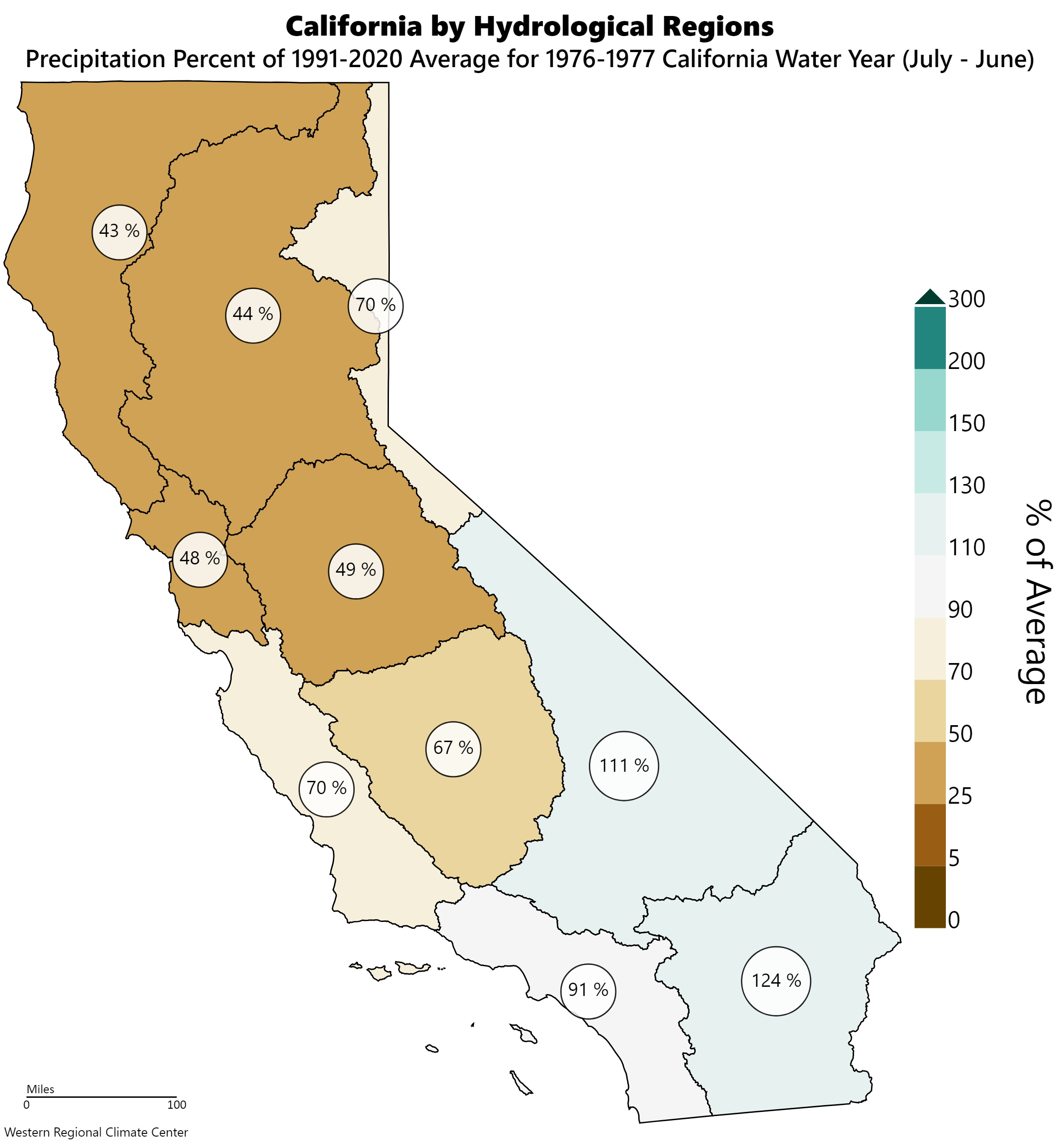
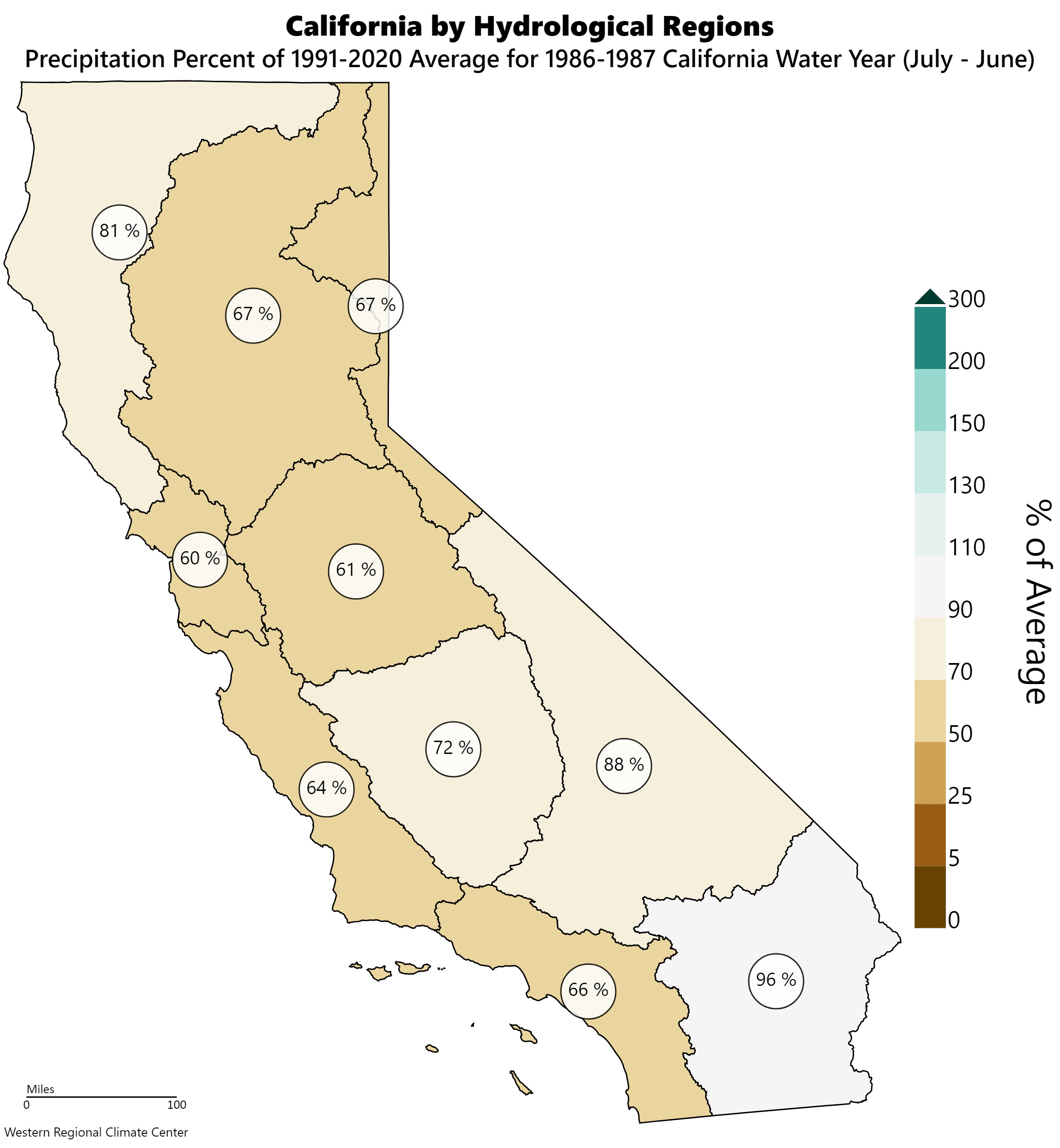
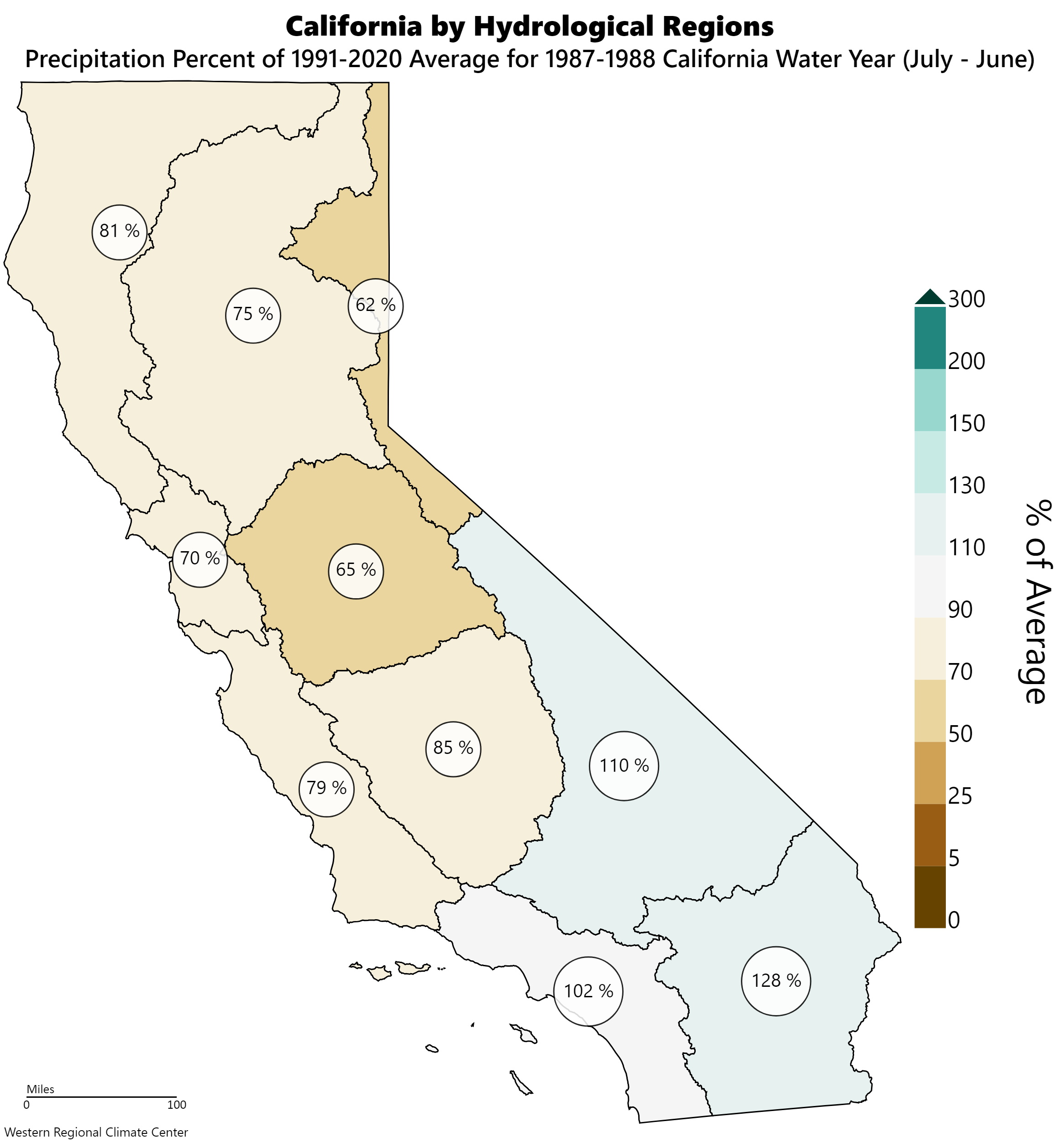
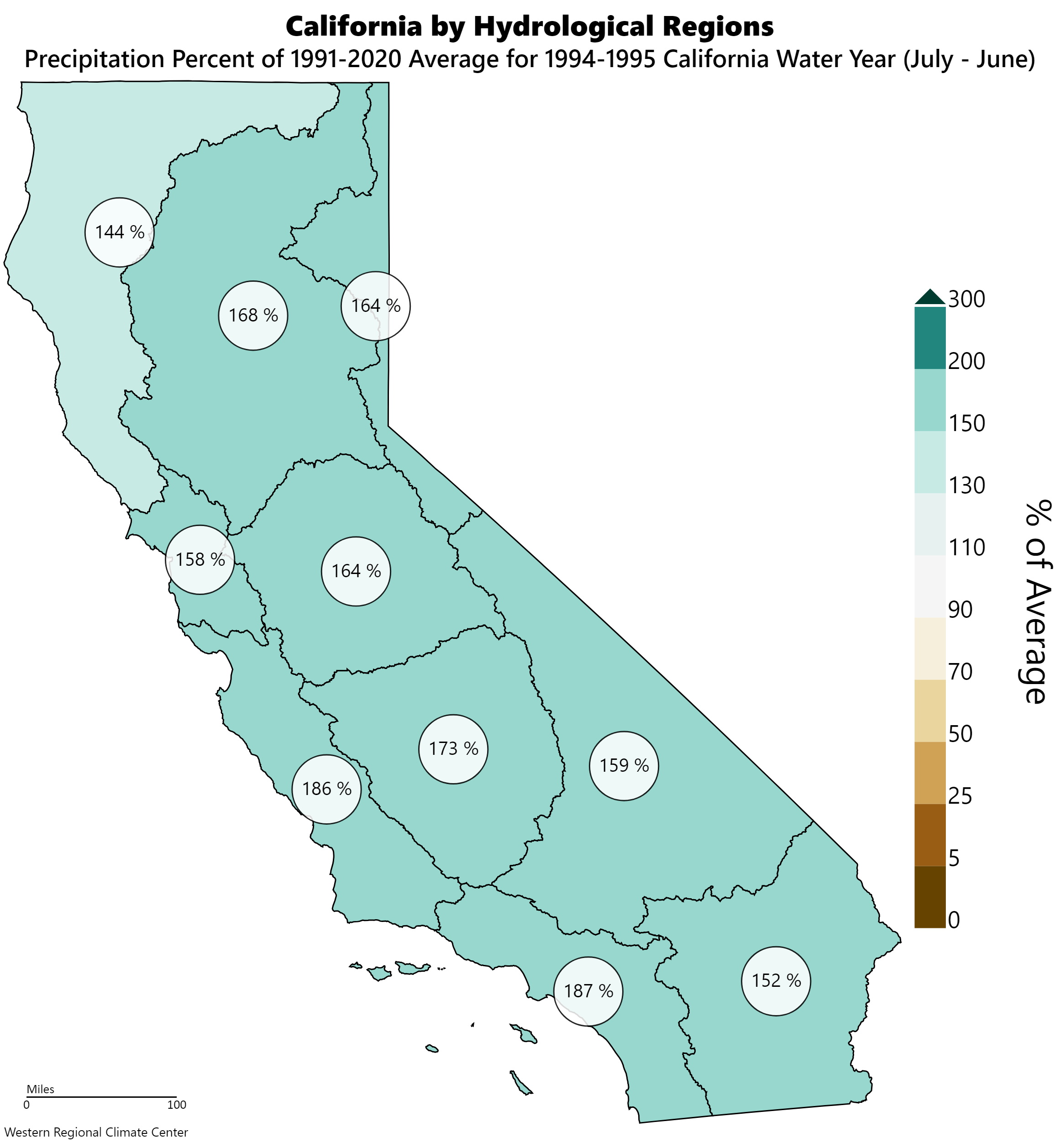
|
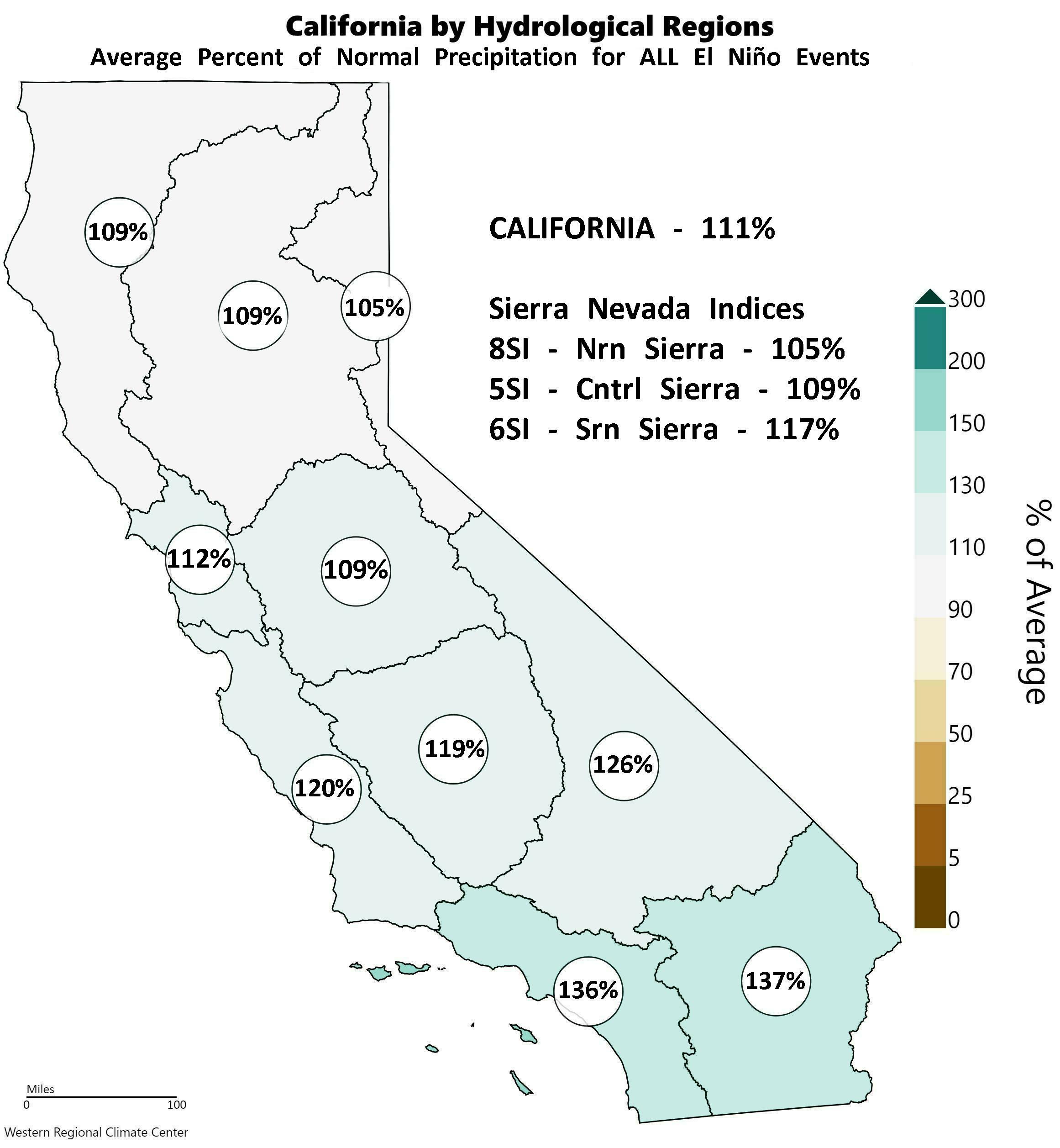
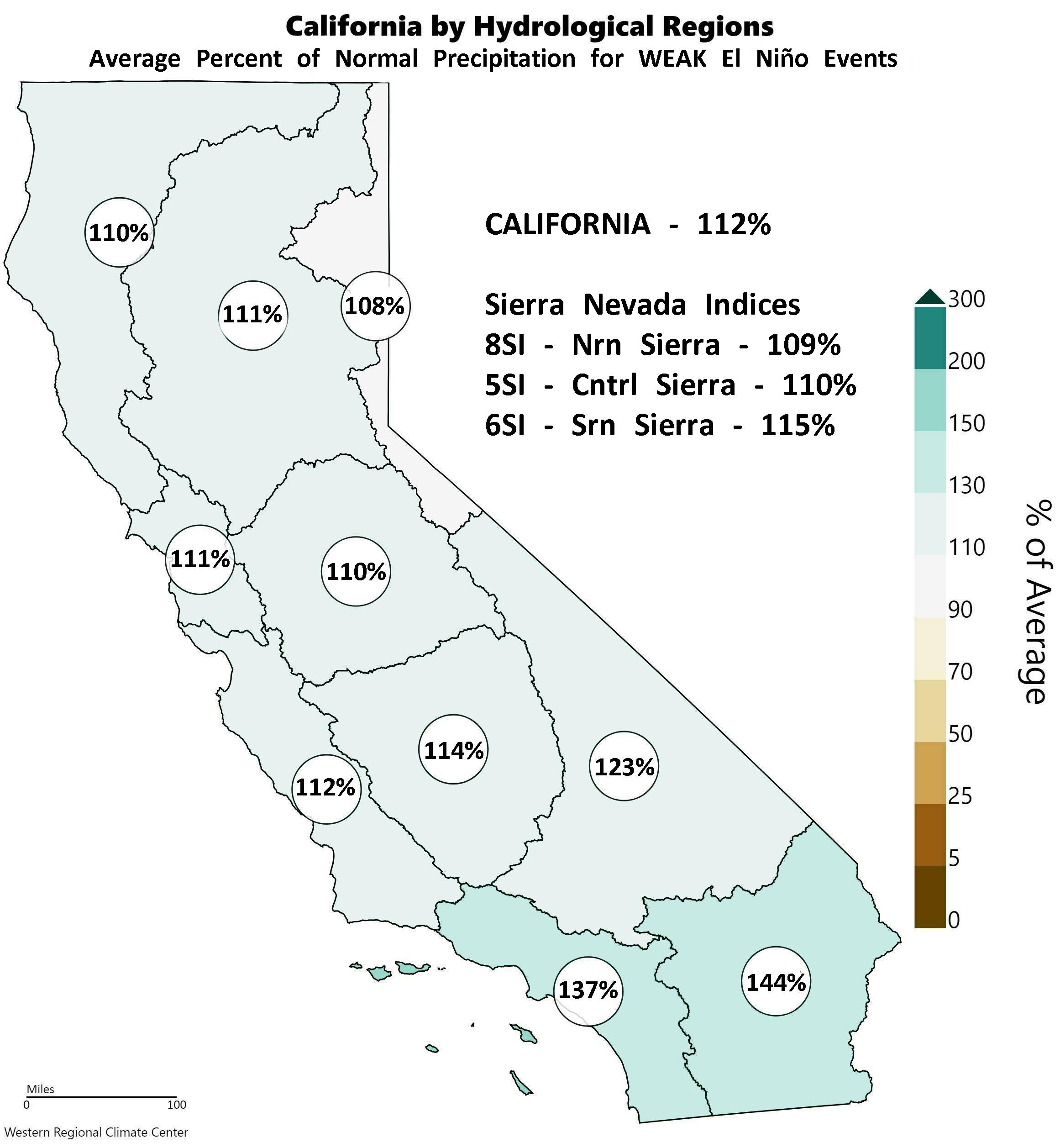
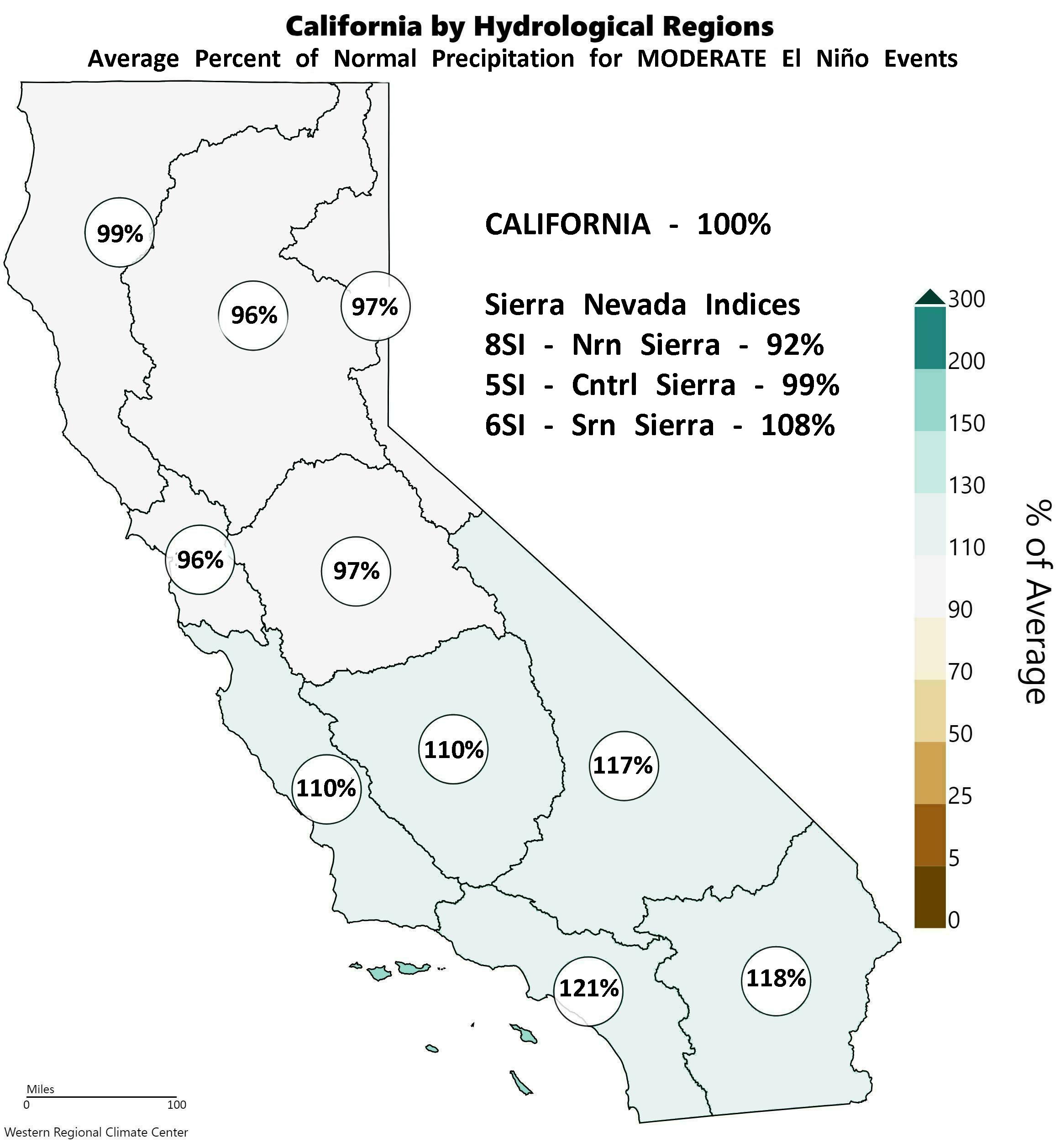
This is a catalog of
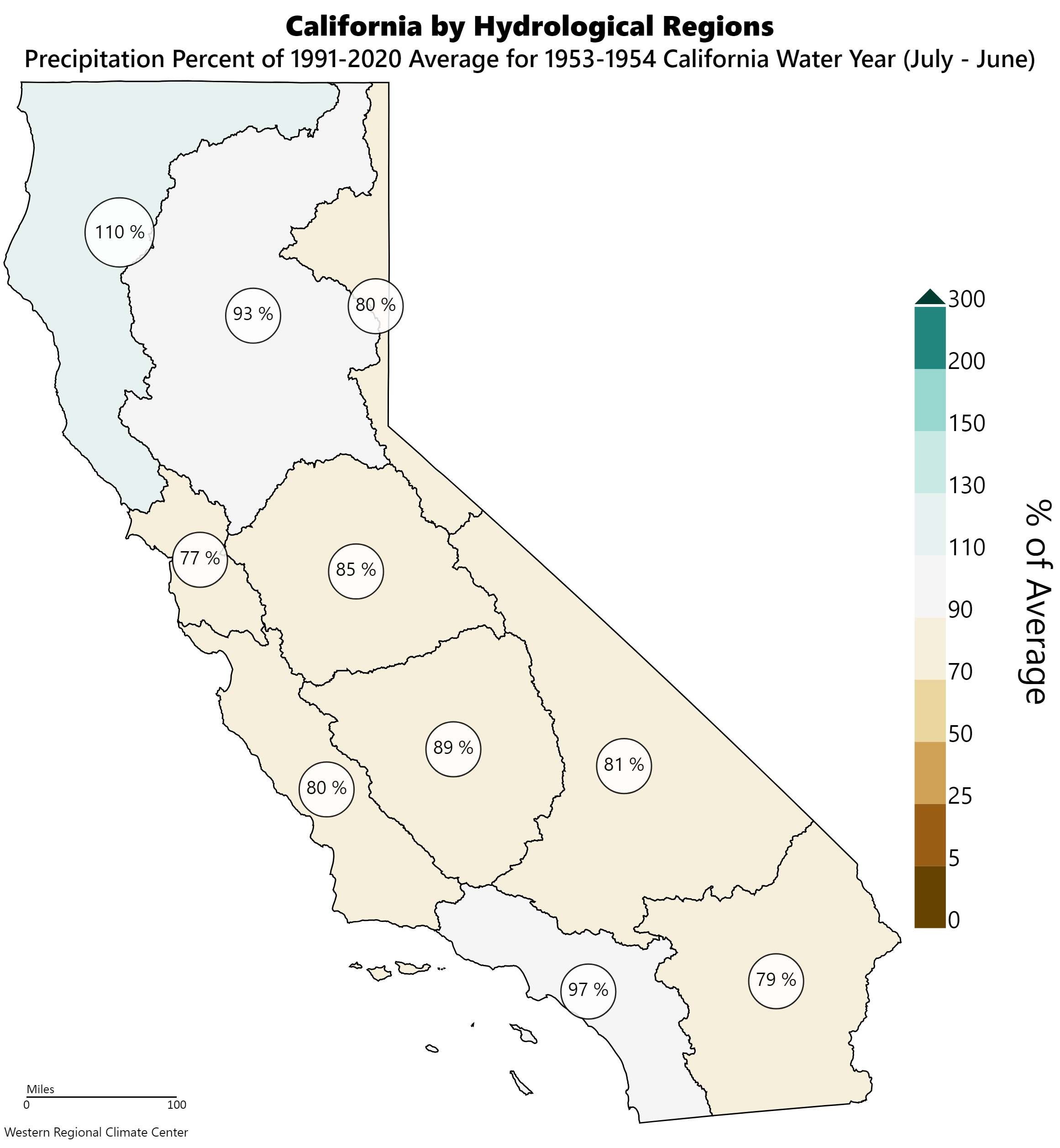
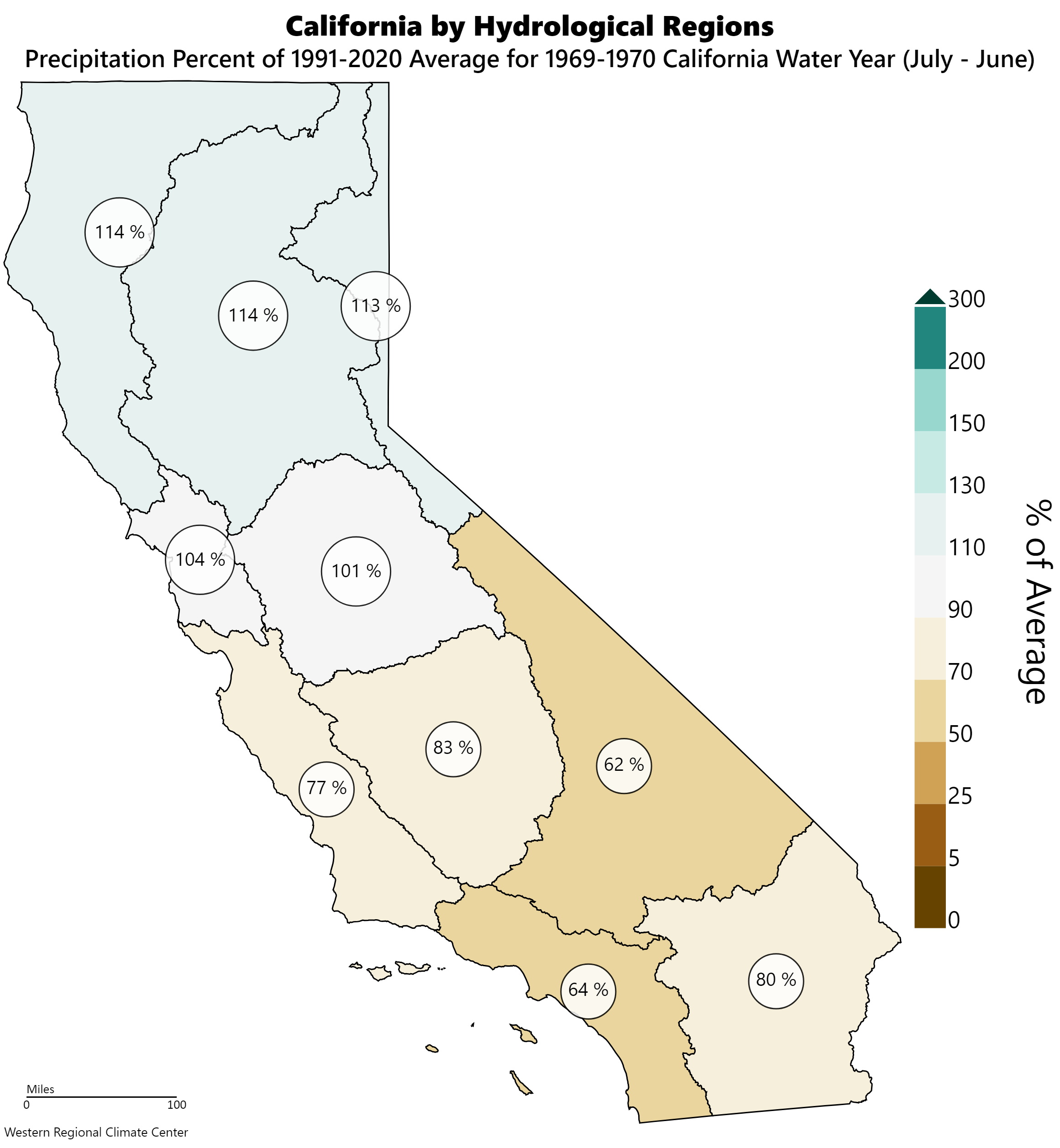
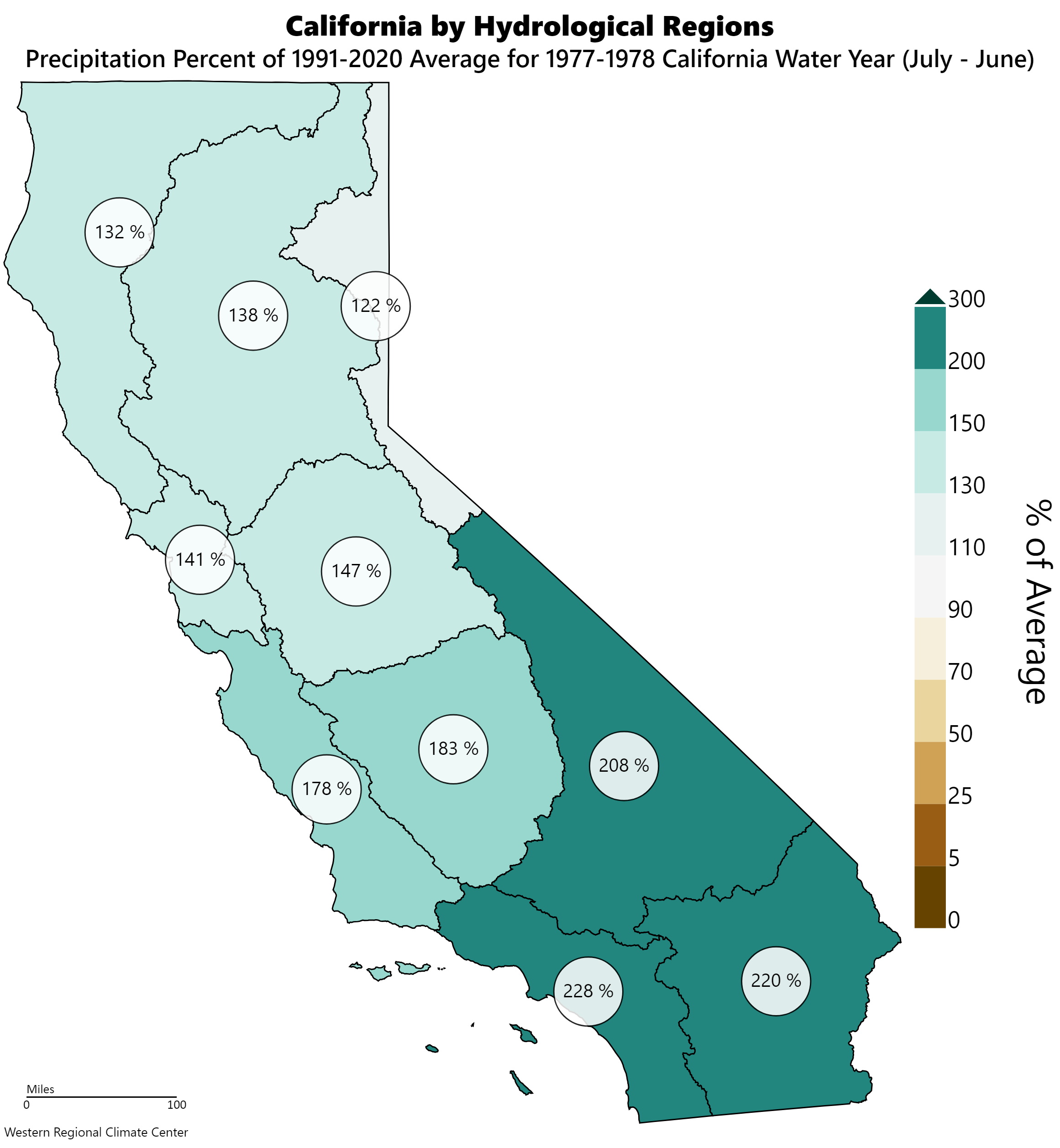
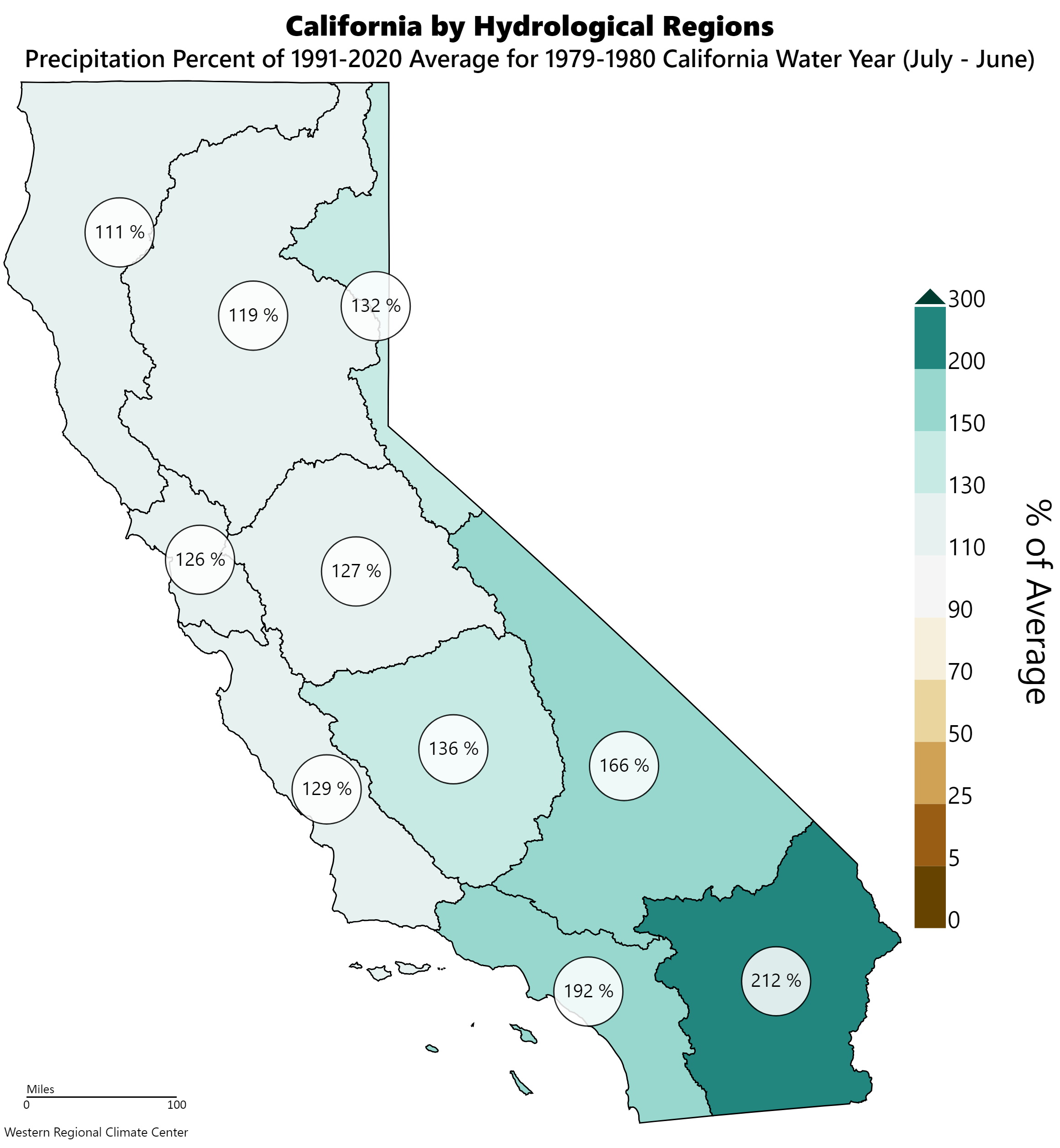
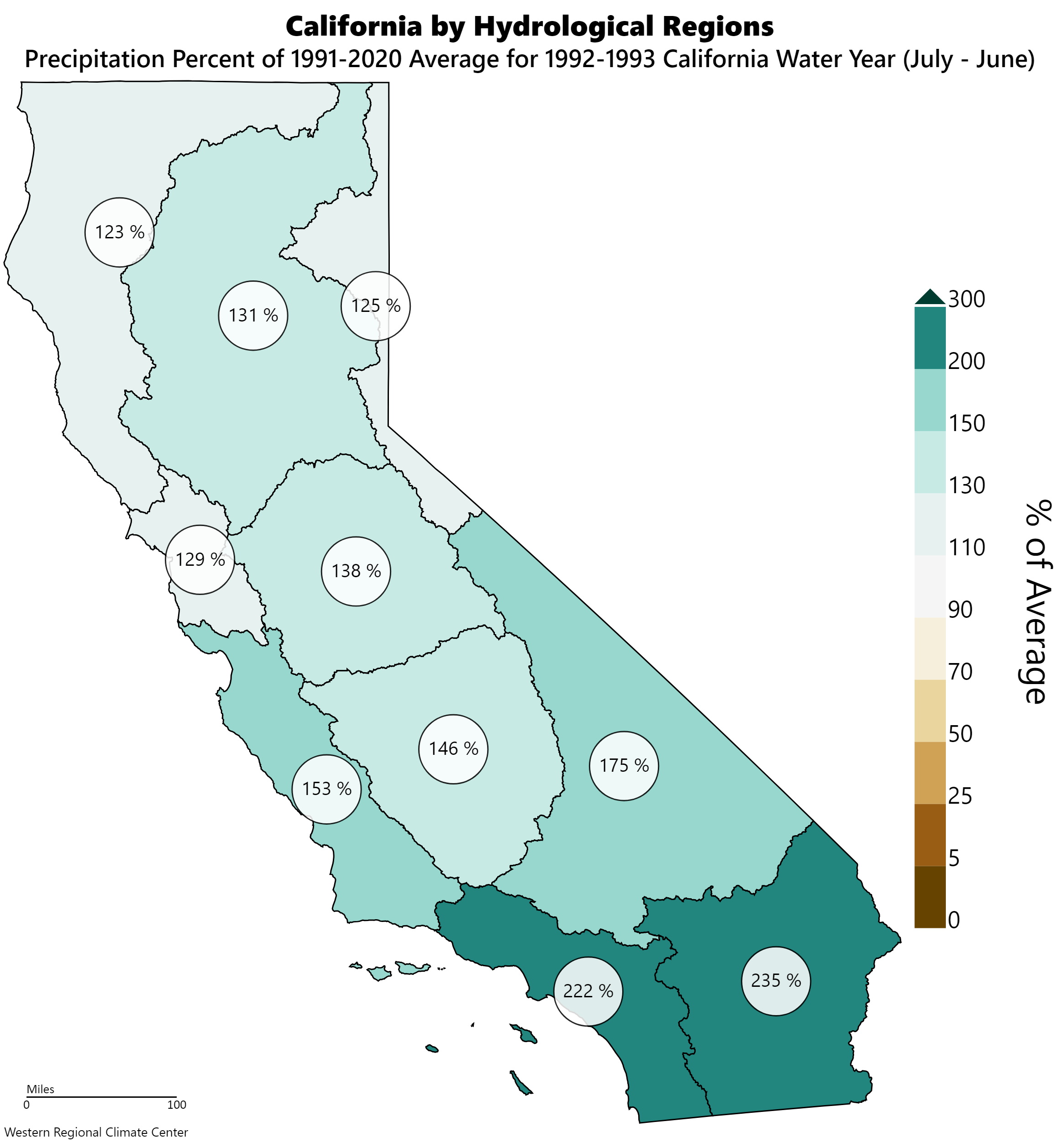
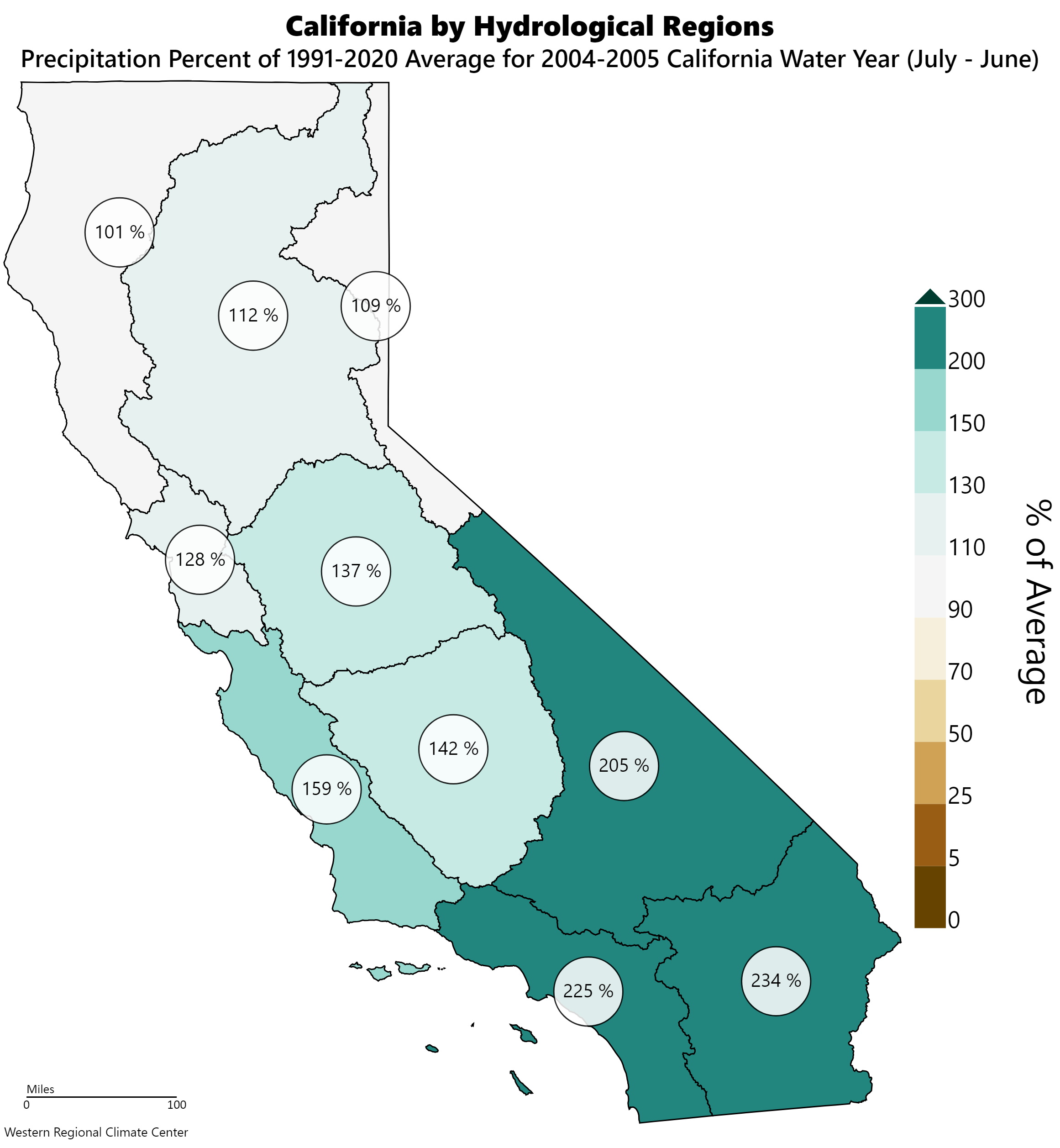
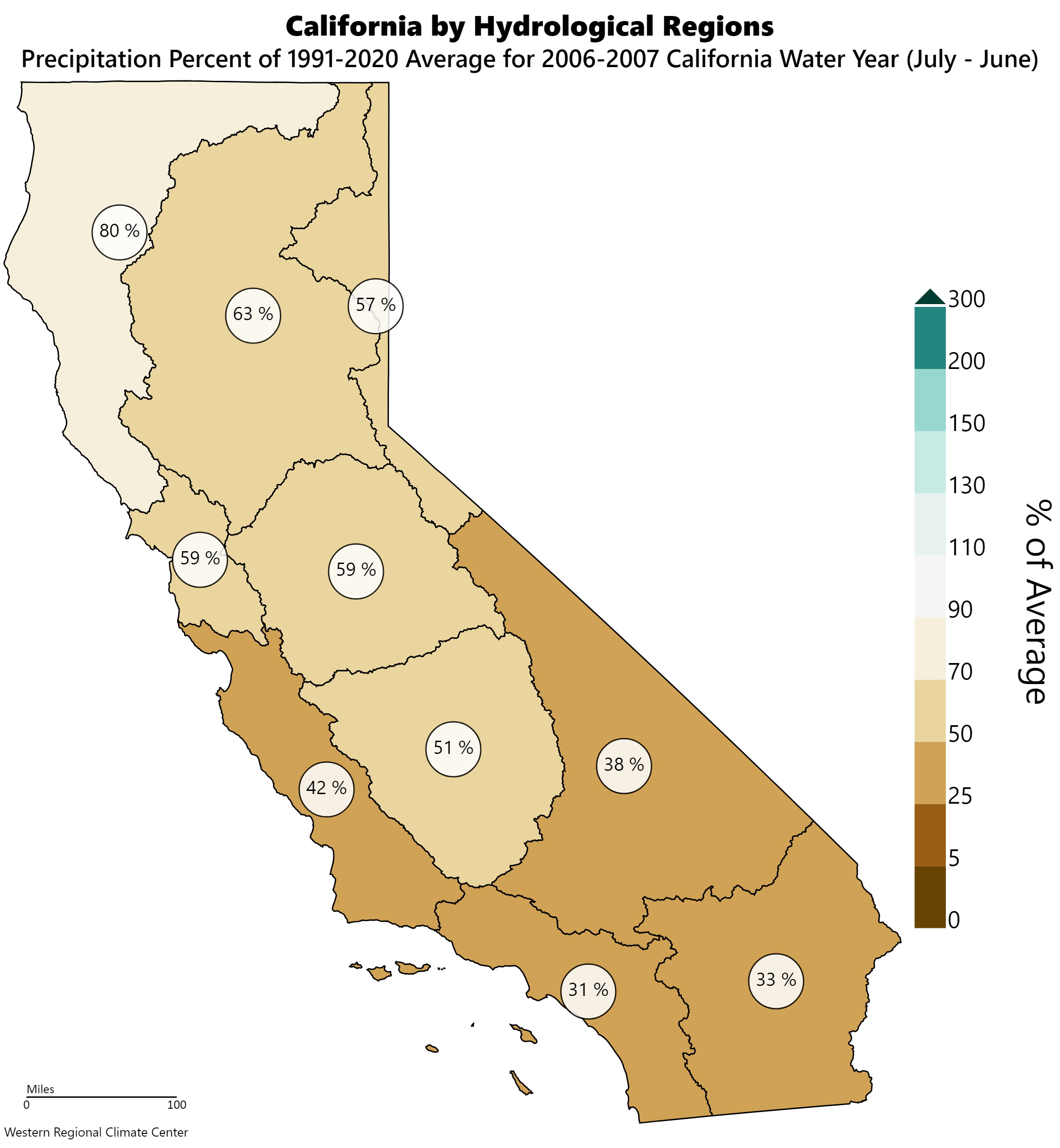
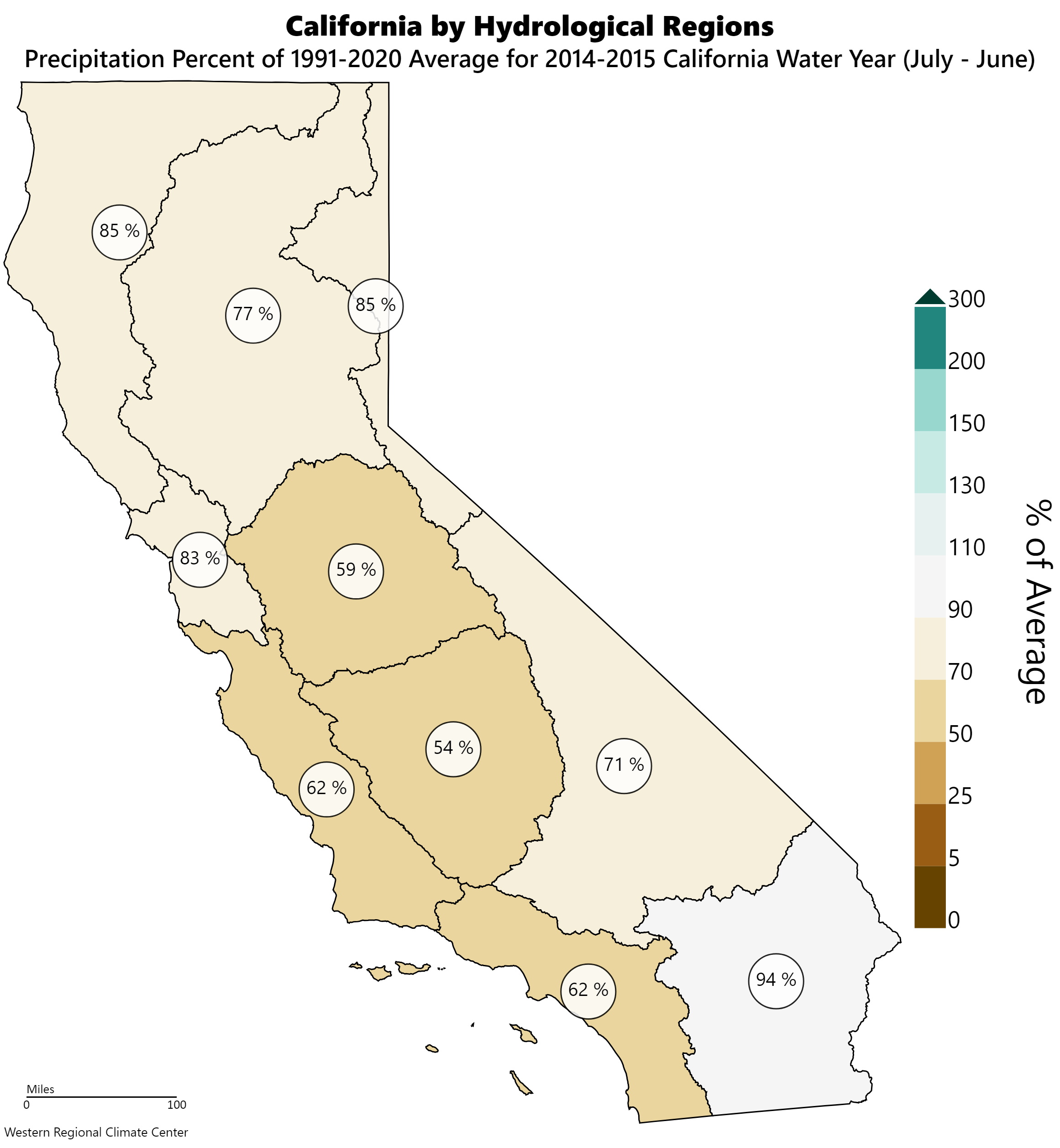
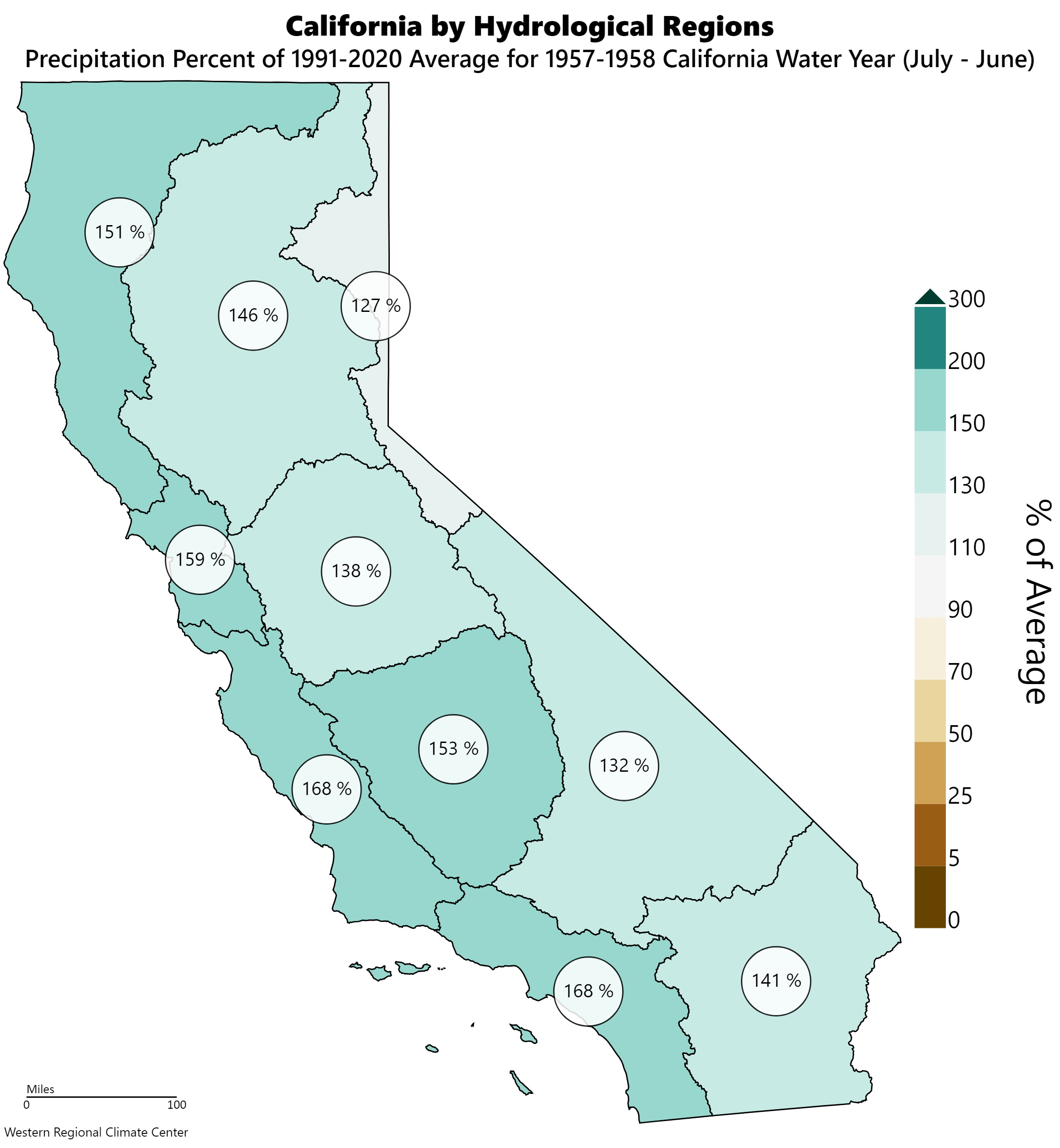
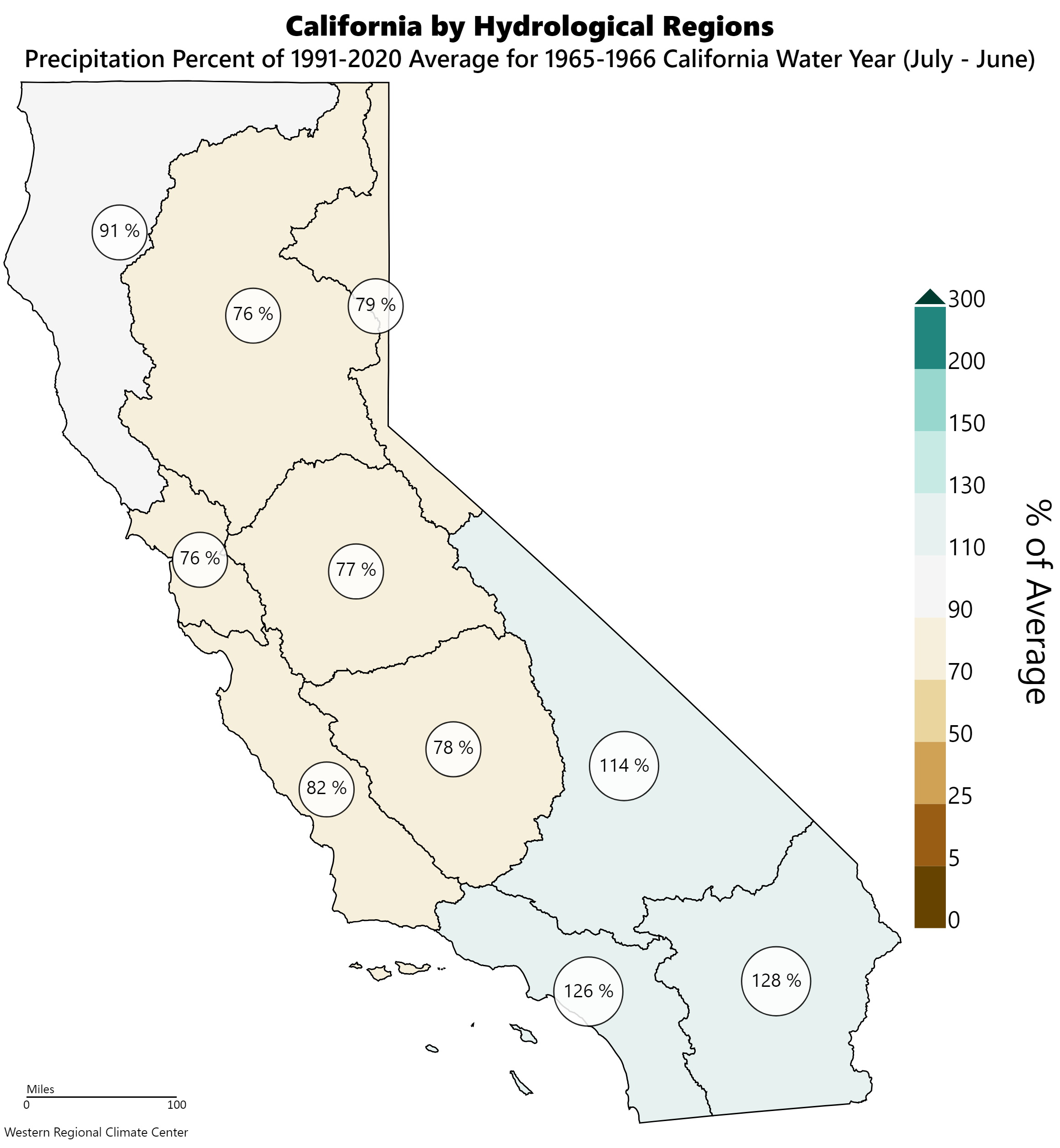
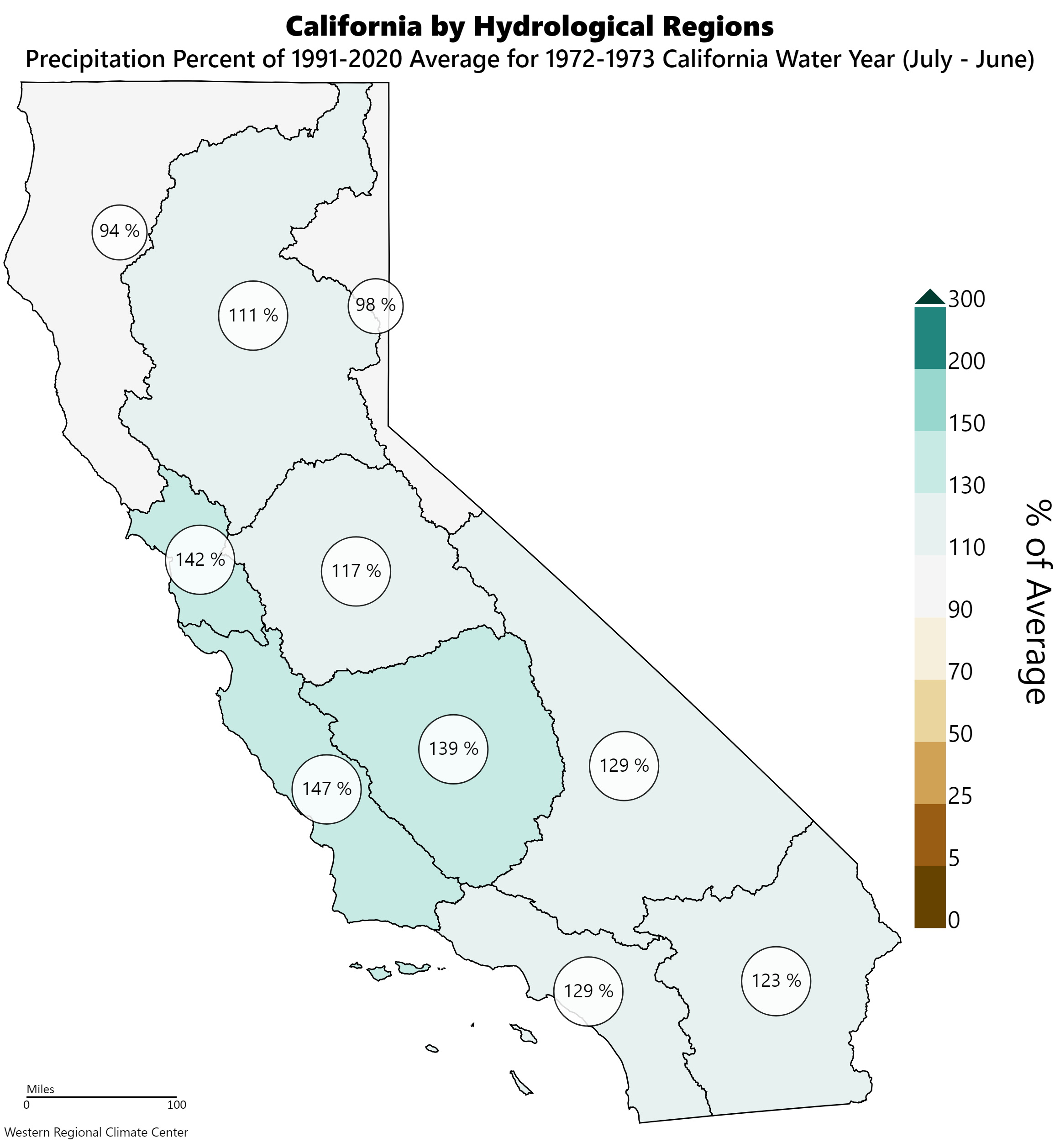
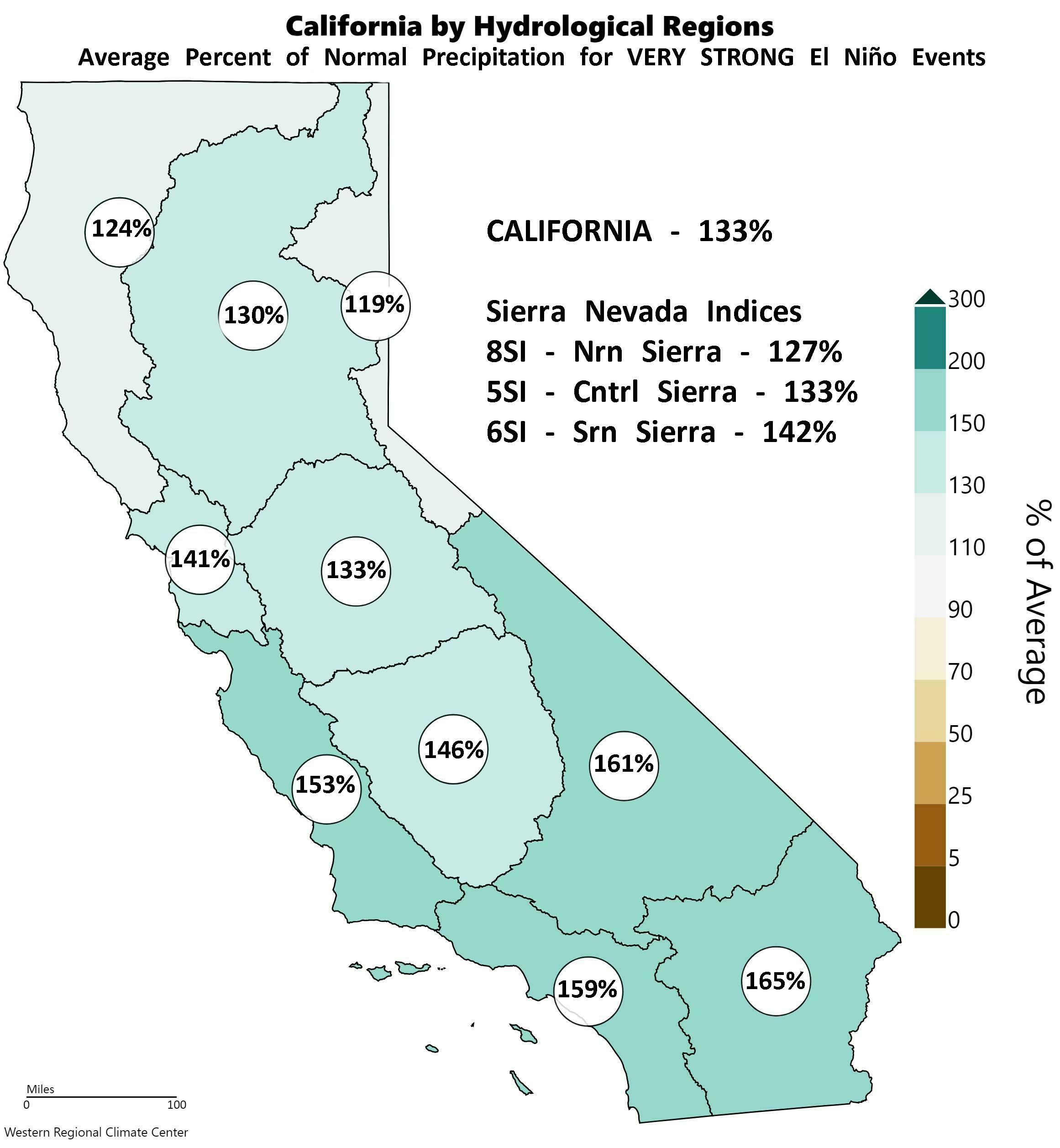
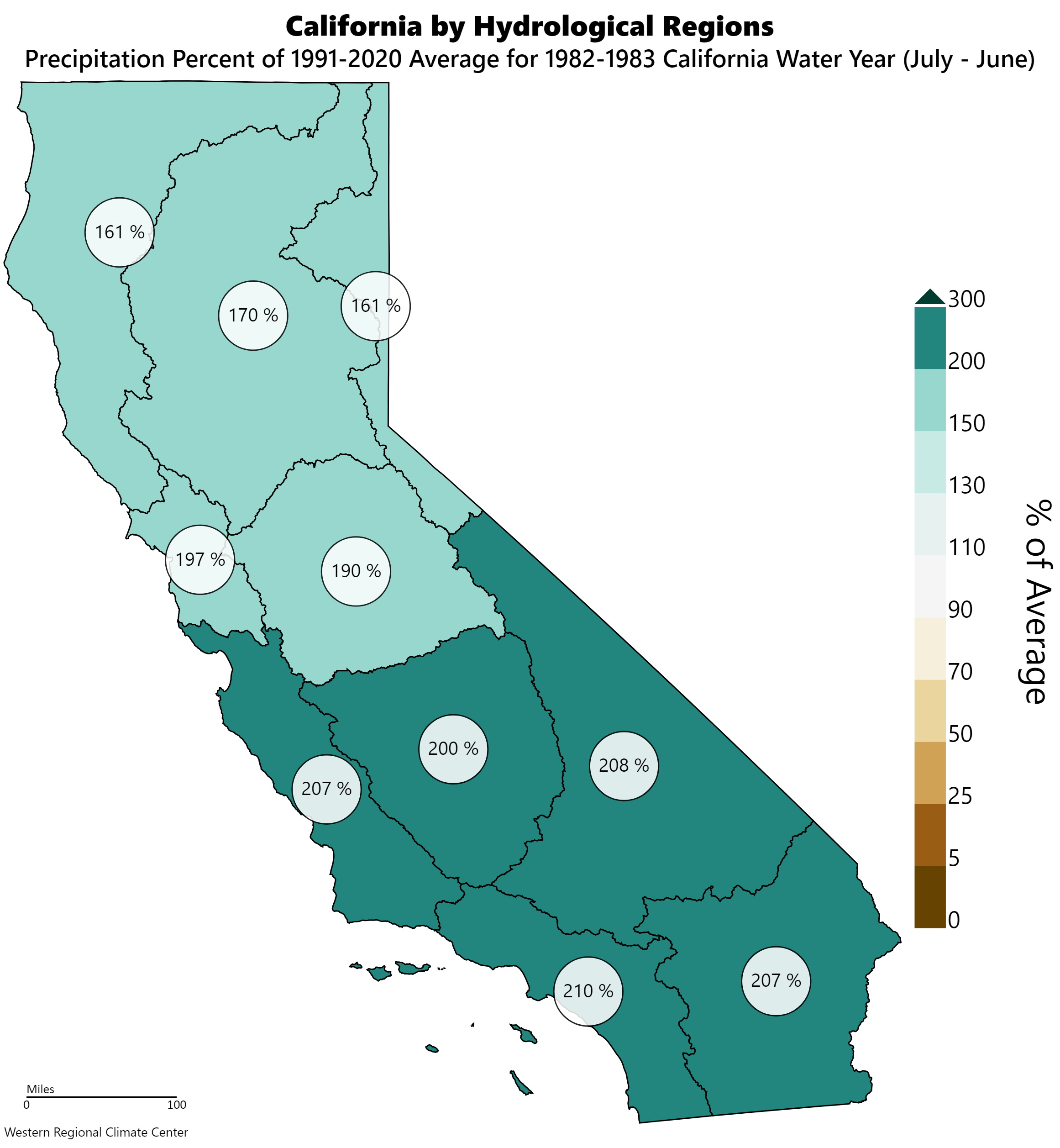
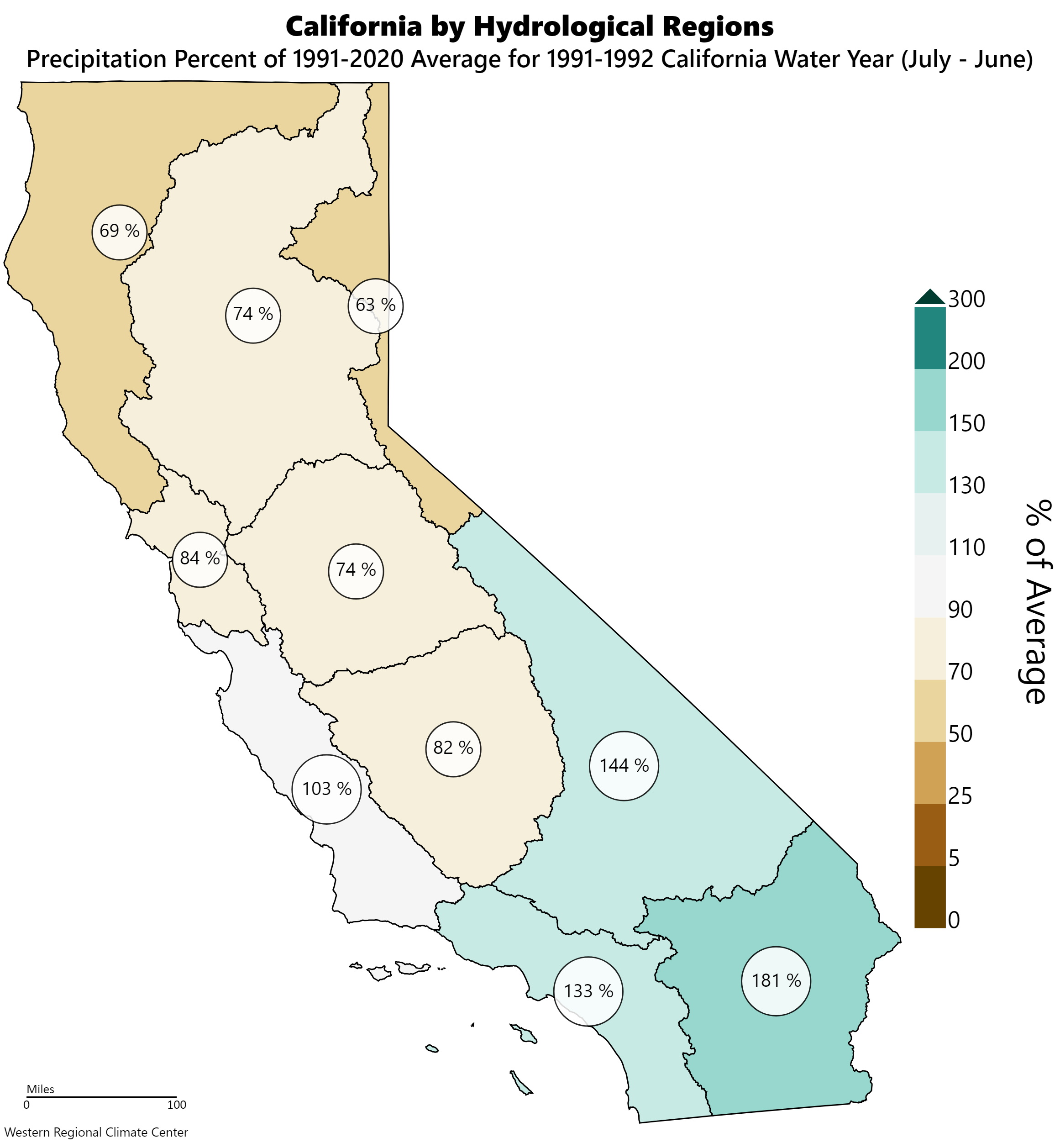
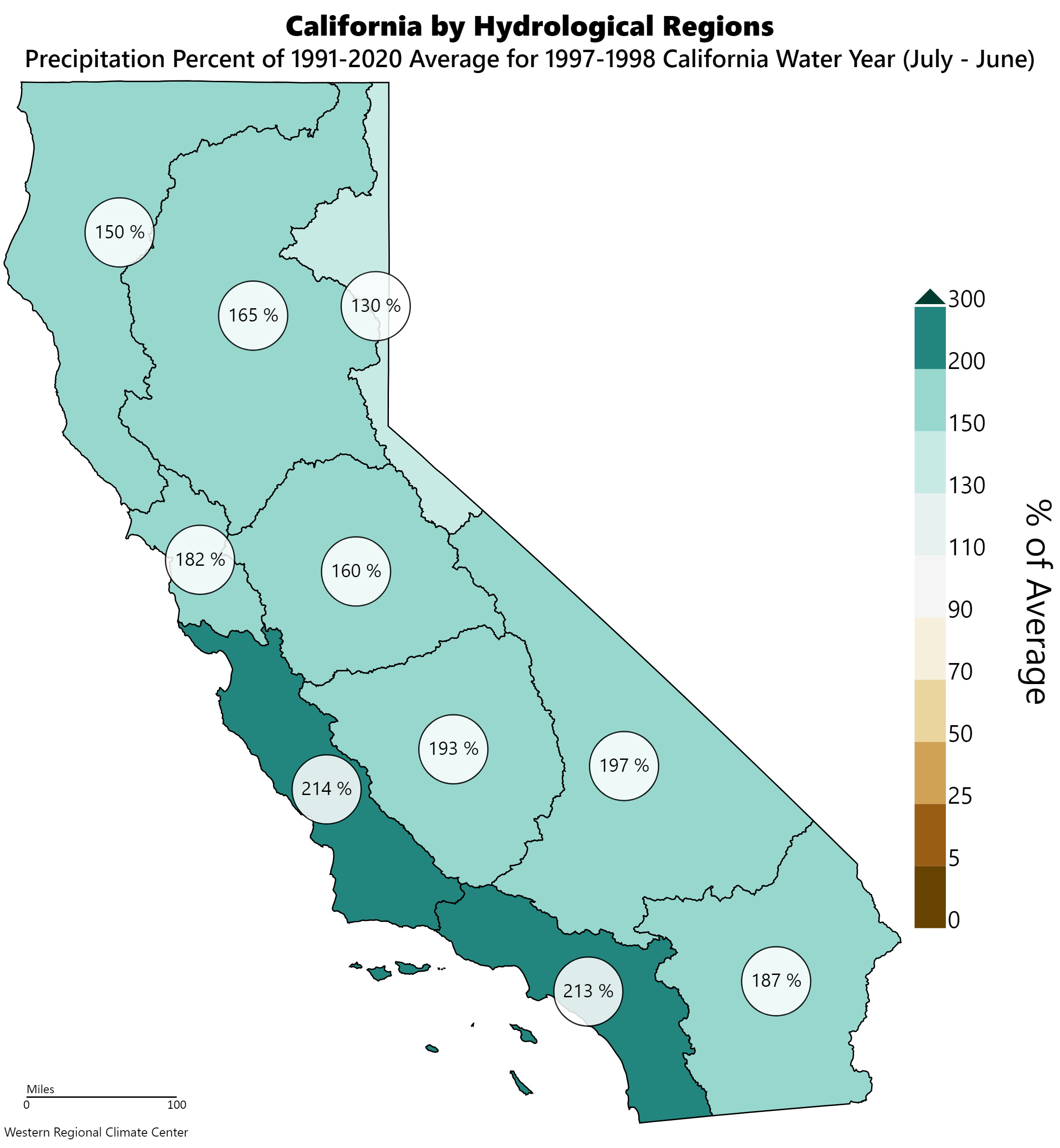
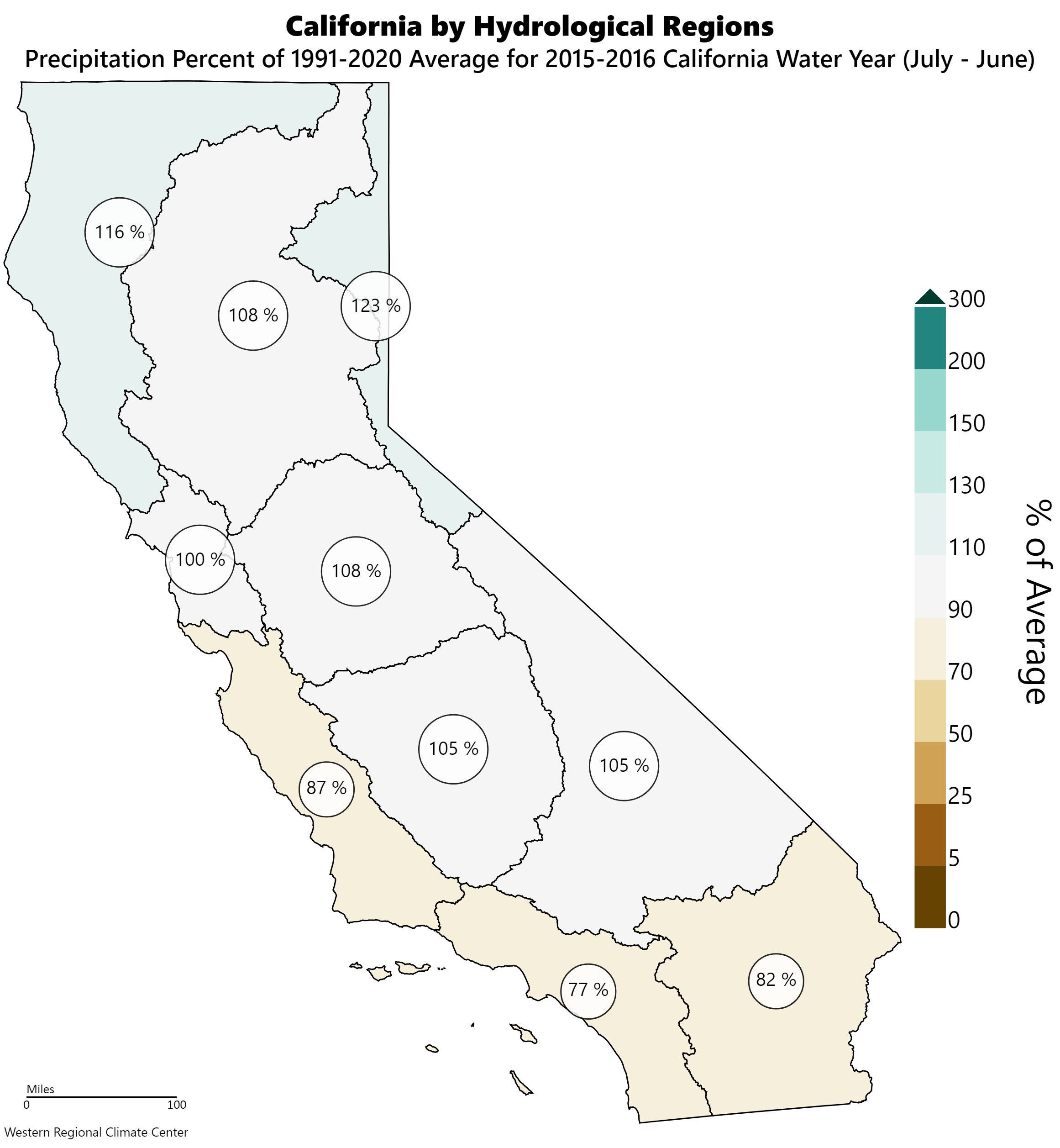
California precipitation anomalies for
previous El Niño events based upon their strength and the
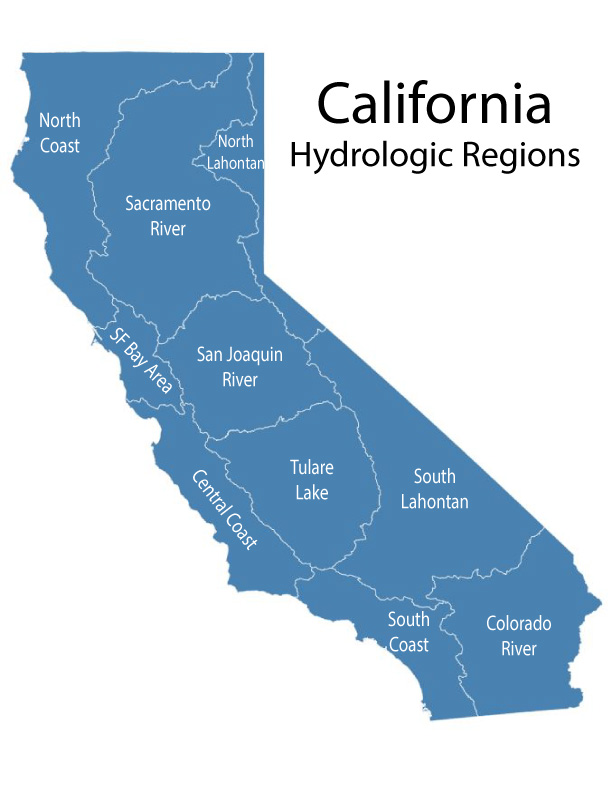
10 state hydrologic regions
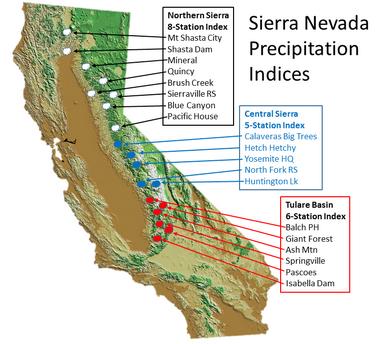
and the 3 Sierra Nevada Precipitation
Indices. It has the average for all
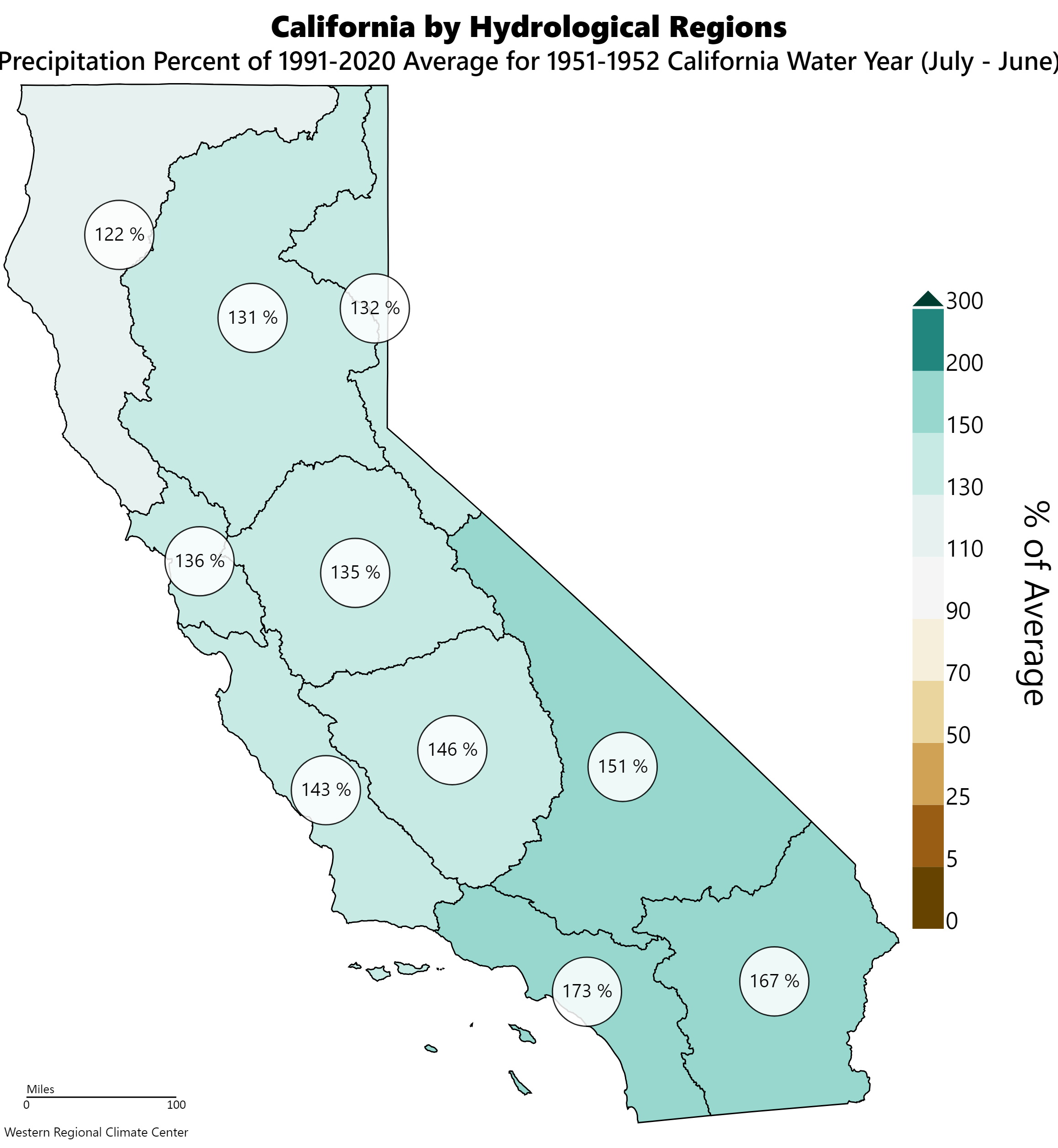
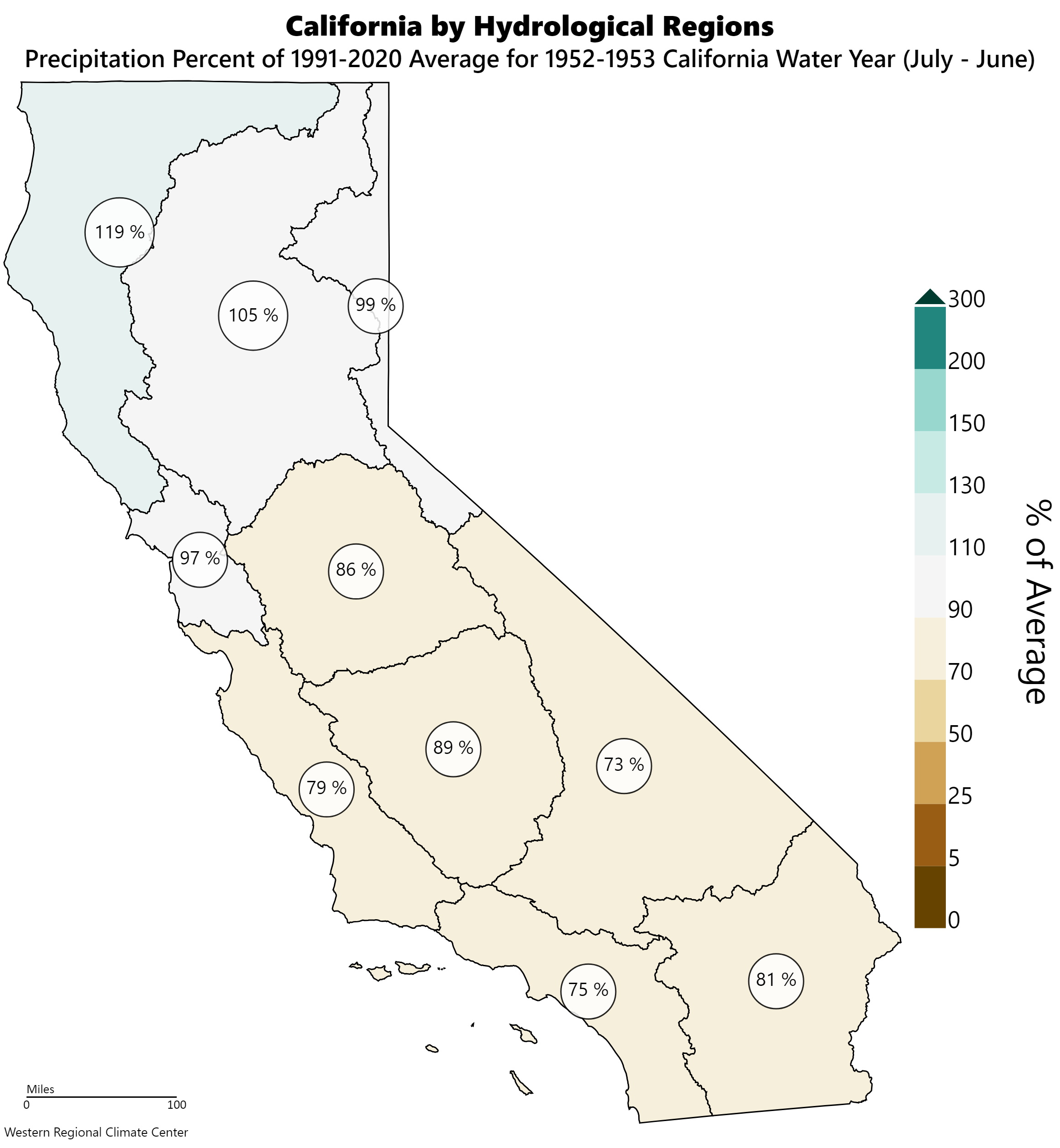
events, weak events, moderate events, strong and very strong events and the wide range
of the individual seasons that went into making up each of the averages.
(For La Niña click
HERE).
It
cannot be stressed strongly enough that this is a climatological analysis
of past events and NOT a forecasting tool. This is especially true for the averages of
different strength events which are made up of what are a very broad range
of conditions; some that are decidedly atypical.
The
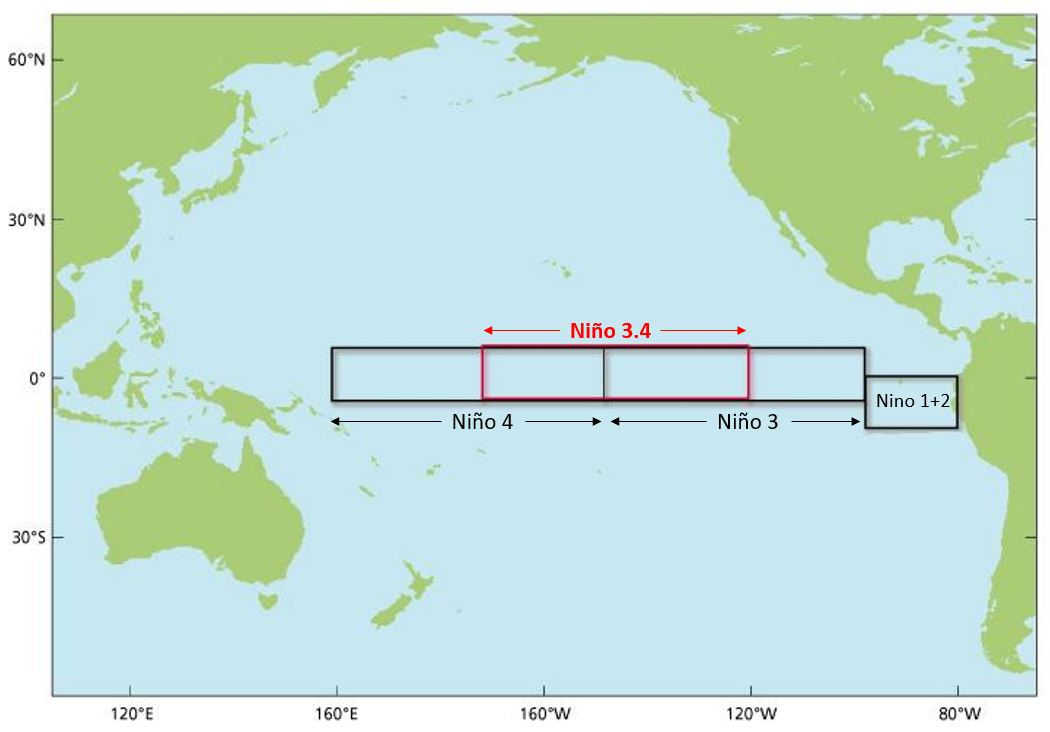
Relative Oceanic Niño Index (RONI)
is used to identify El Niño (warm) and La Niña (cool) events in the
tropical Pacific. The RONI is the running 3-month mean SST anomaly for the
Niño 3.4 region (i.e.,
5°N-5°S, 120°-170°W)
minus the
overall average tropical 3-month sea surface temperature anomaly (SSTA).
Events are defined as 5 consecutive overlapping 3-month periods at or
above the +0.5o anomaly for warm (El Niño)
events and at or below the -0.5 anomaly for cool (La Niña)
events. The threshold is further broken down into Weak (with a 0.5 to 0.9
SST anomaly), Moderate (1.0 to 1.4), Strong (1.5 to 1.9) and Very Strong (≥
2.0) events. For the purpose of this report, an event is categorized as
weak, moderate, strong or very strong it must have equaled or exceeded the
threshold of the highest category for at least 3 consecutive overlapping
3-month periods.
El Niño Events:
Weak:
1951-1952, 1952-1953, 1953-1954,
1969-1970, 1977-1978, 1979-80, 1992-1993, 2004-05, 2006-07, 2014-15,
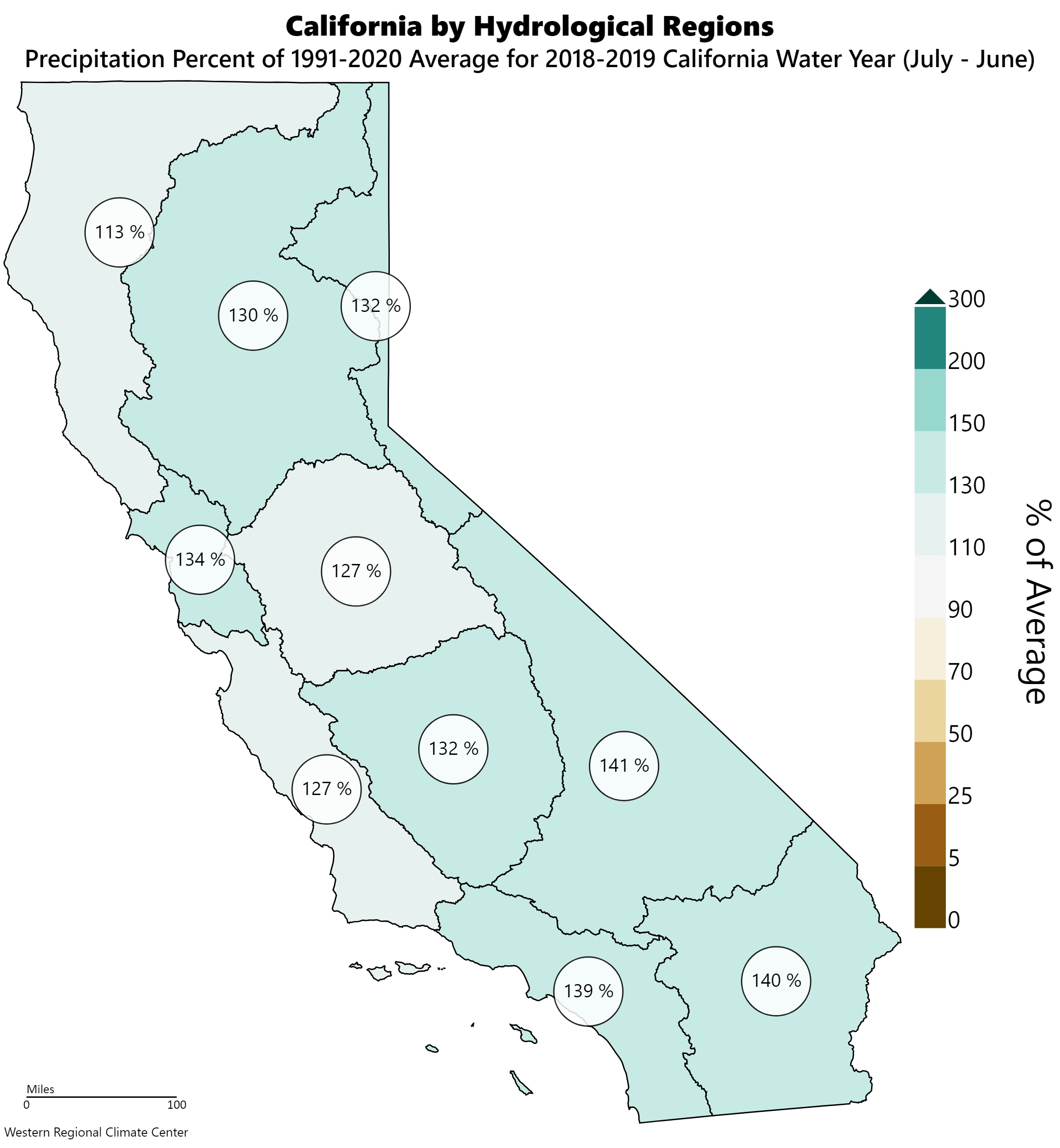
2018-19
Moderate:
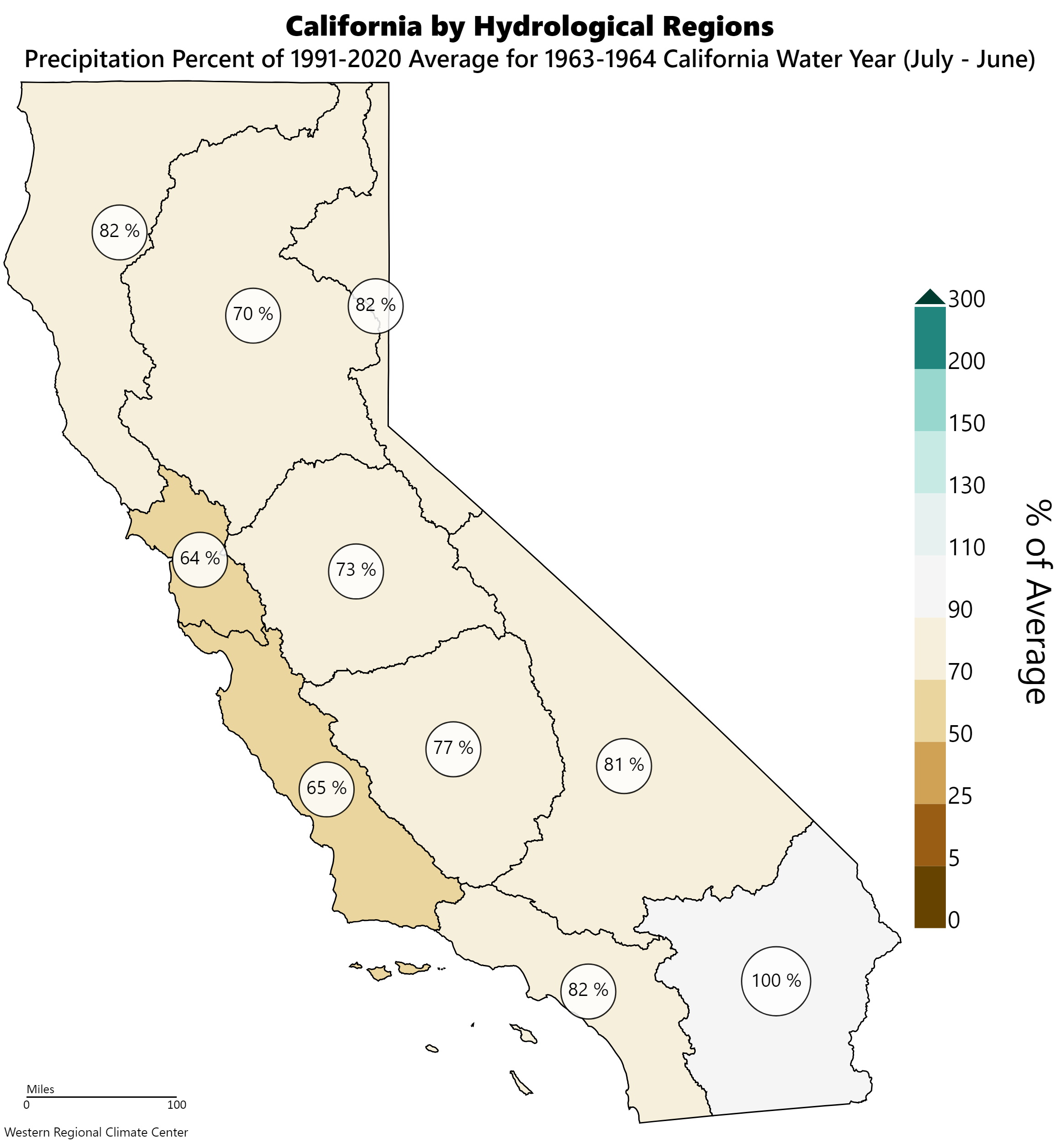
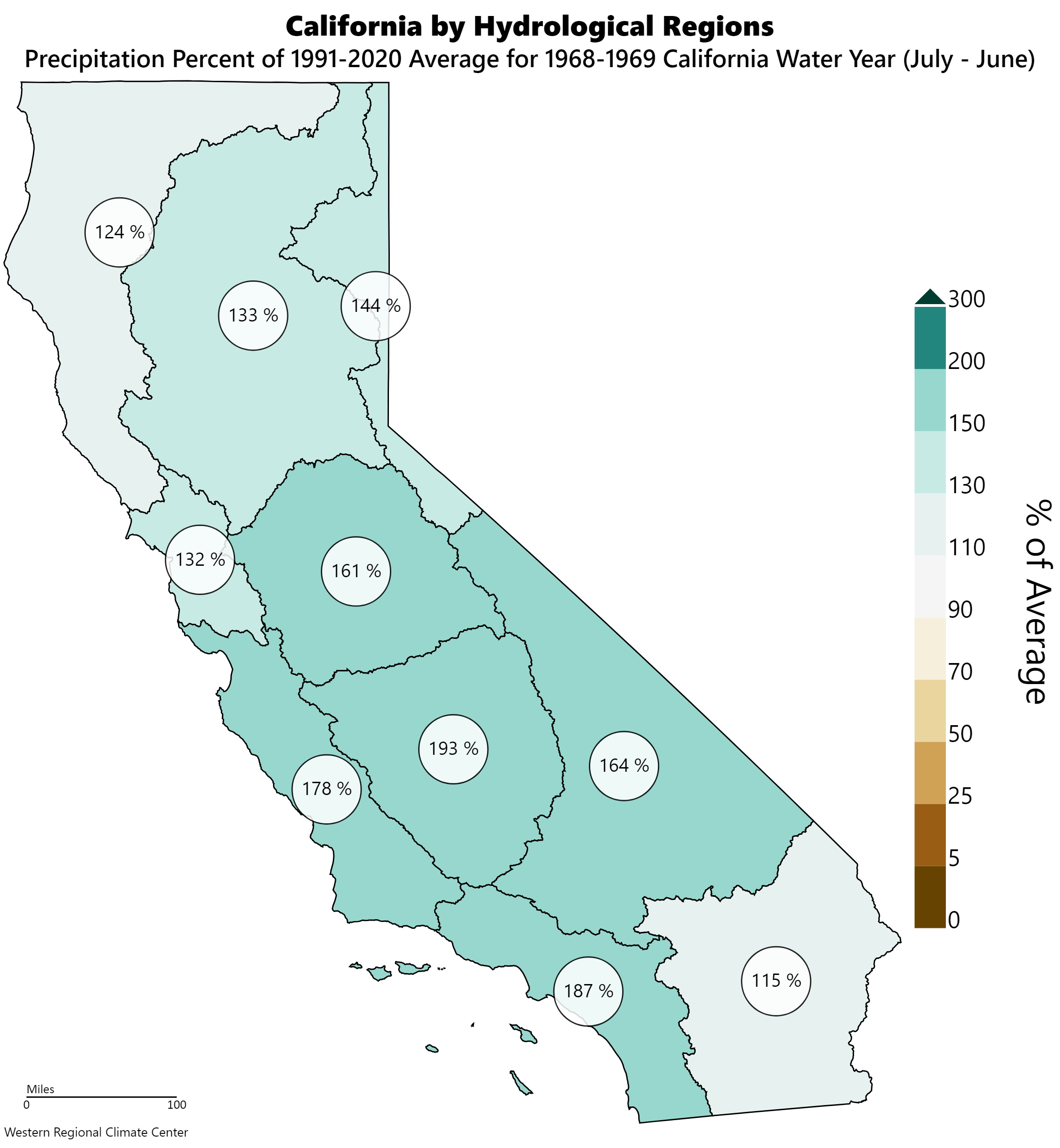
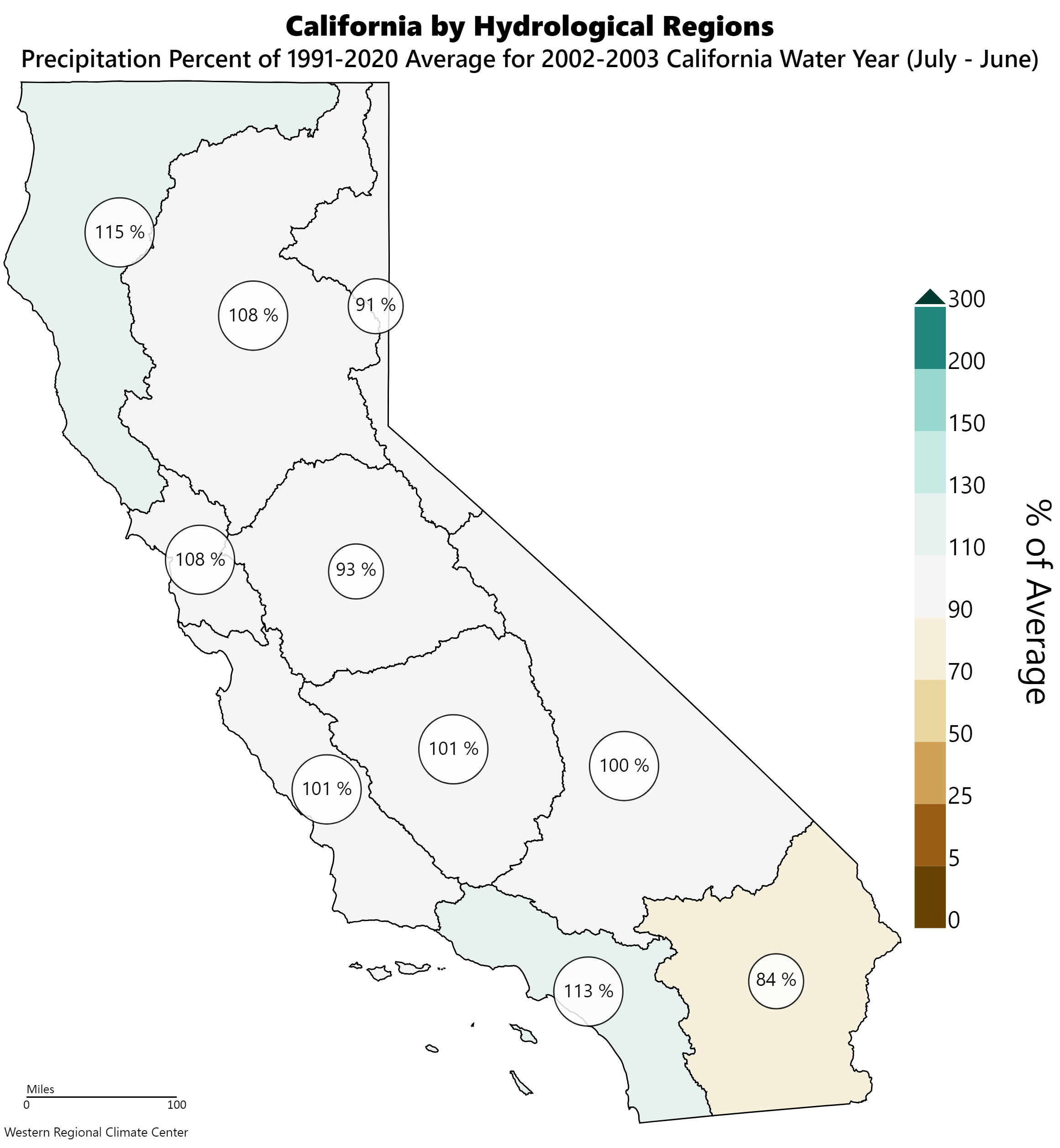
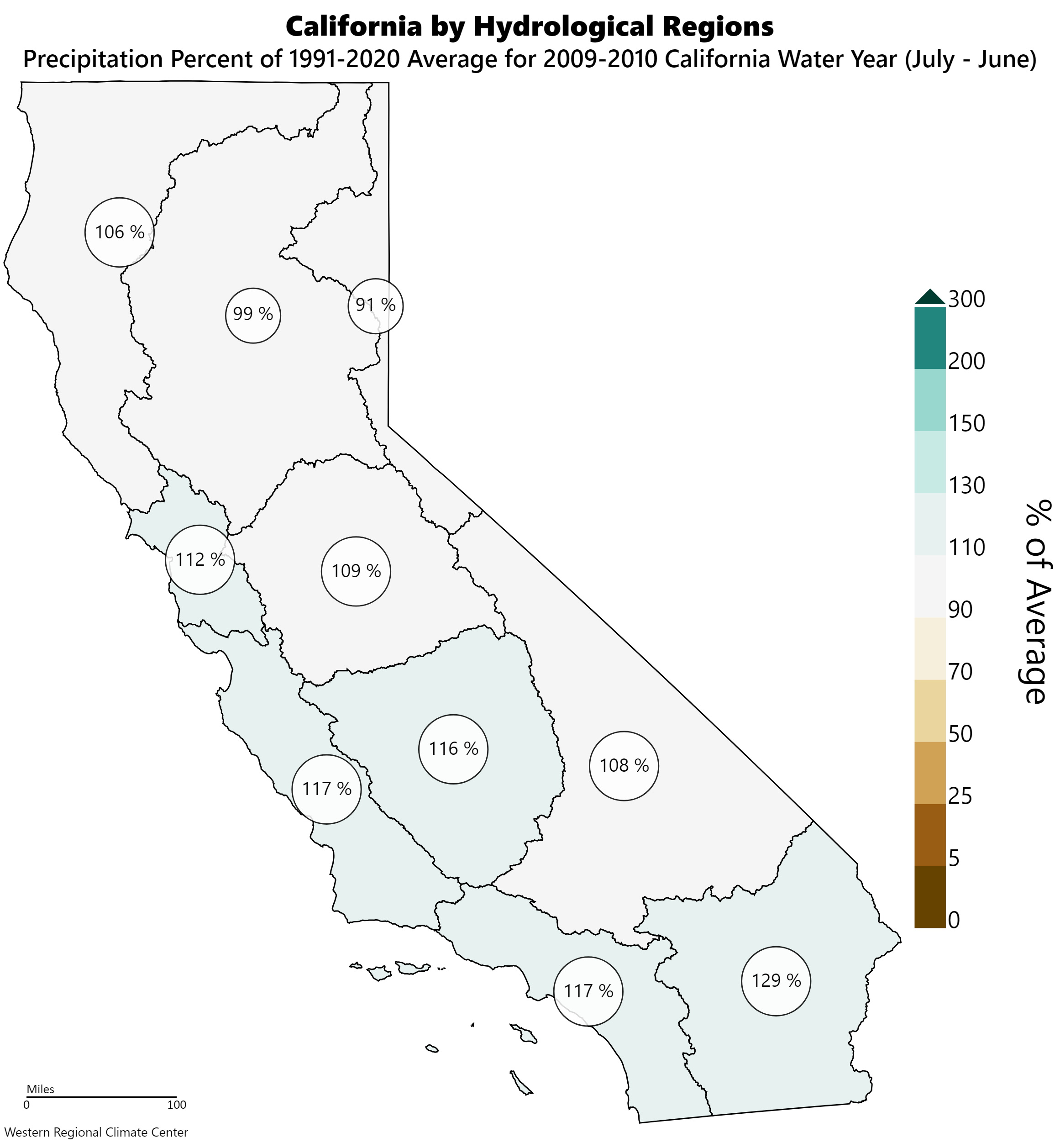
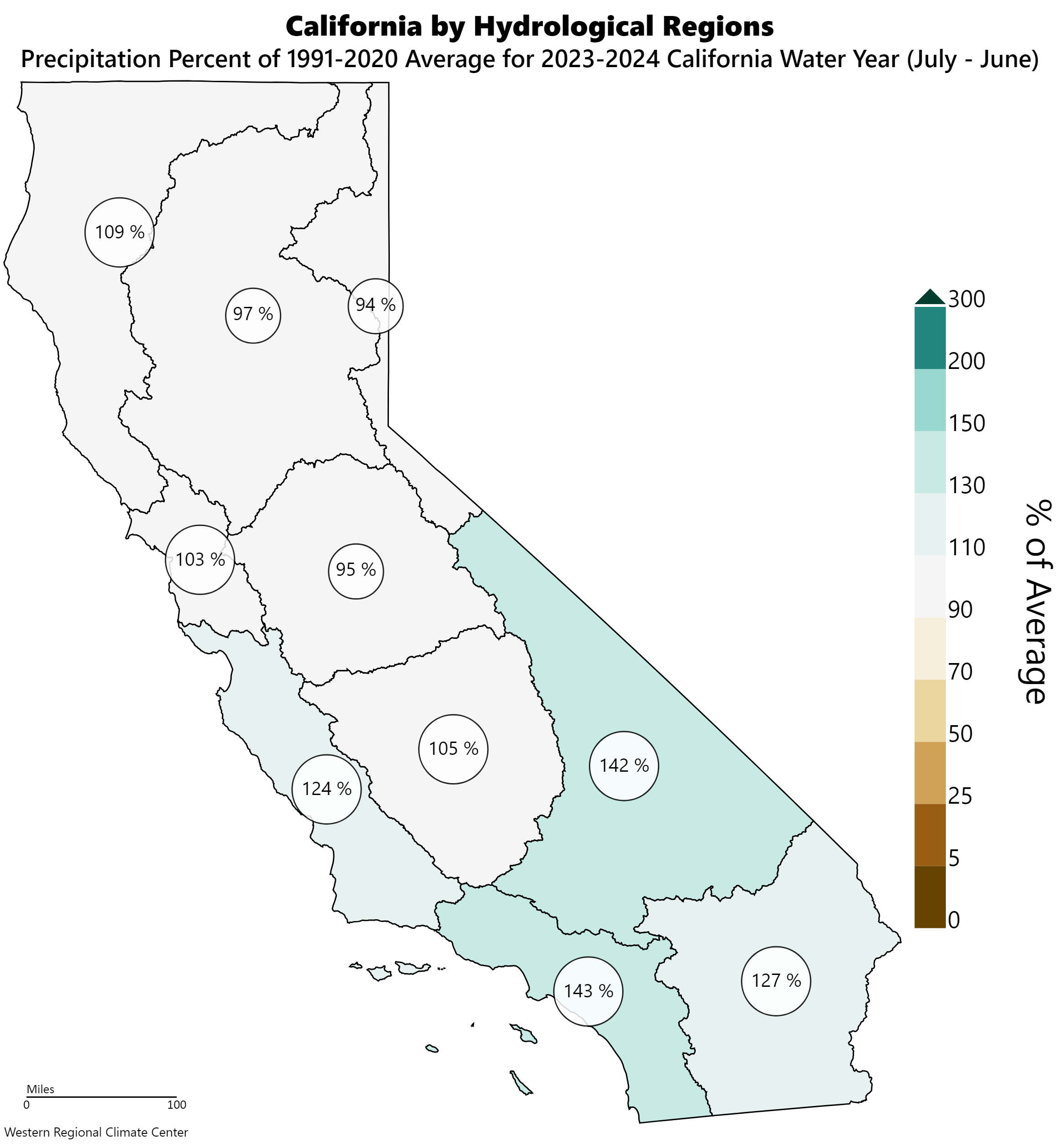
1963-1964, 1968-1969, 1976-1977, 1986-1987, 1987-1988, 1994-1995,
2002-2003, 2009-2010, 2023-2024
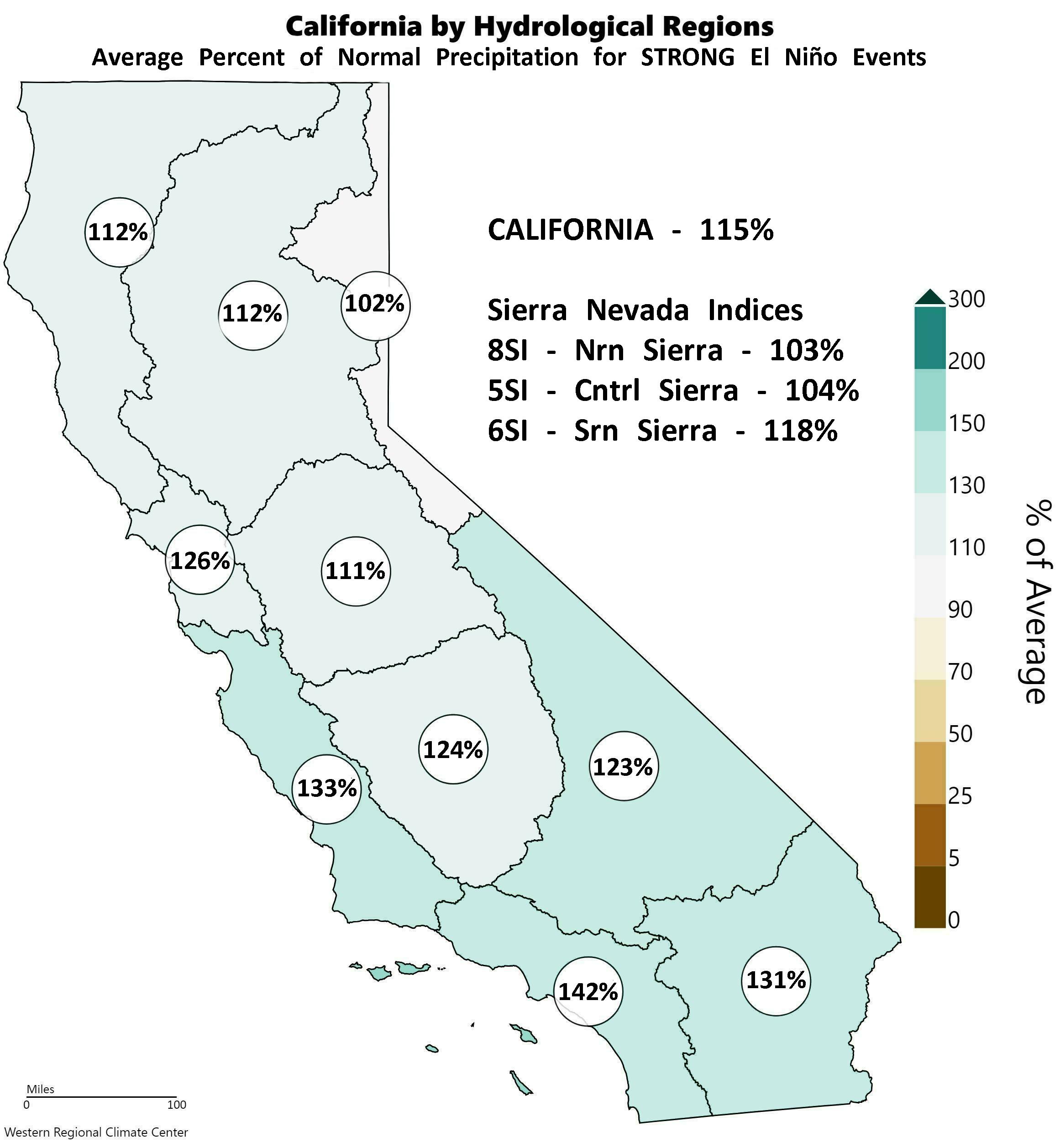
Strong:
1957-1958, 1965-1966, 1972-1973
Very Strong:
1982-1983,
1991-1992, 1997-1998, 2015-2016
|